


Vendor Management Best Practices for Events
For executive retreats, incentive programs, conferences, and branded experiences, vendor management is not a back-office task. It is one of the clearest drivers of guest perception, budget discipline, and operational calm.
When the room reveal lands exactly as planned, the transfers run on time, the culinary service feels polished, and the show caller never has to chase a missing cue, that result usually traces back to disciplined vendor management. Premium events do not happen through good luck. They happen because every partner knows the standard, the timeline, the chain of command, and the margin for error.
Why vendor management matters for corporate events
A luxury corporate event is a live expression of leadership, culture, and brand. That means every vendor is part of the experience architecture, whether they are guest-facing or working quietly behind the scenes.
Strong vendor management protects more than logistics. It protects confidence in the room. Senior stakeholders notice when details feel easy. Attendees may not know why the day flowed so well, but they feel it immediately.
For high-visibility programs, vendor management supports:
- Brand reputation
- Executive trust
- Budget control
- Guest comfort
- Risk reduction
- On-site pace
At the executive level, vendor quality is brand quality.
That is why price alone is never the right filter. A lower proposal can become very expensive once hidden fees, overtime, staffing gaps, weak communication, or last-minute substitutions enter the picture.
How to evaluate event vendors beyond price
The best vendor selection process starts with clarity from the planning team. If the brief is vague, proposals will be vague too. If the scope is precise, pricing becomes easier to compare and service standards become easier to defend.
For premium events, planners usually look for a blend of technical skill, hospitality instincts, and composure under pressure. A vendor may have an attractive rate, but if response times are inconsistent during the sales stage, that pattern often appears again when the stakes are higher.
A strong selection framework usually includes the following criteria:
- Relevant event experience: executive meetings, incentive travel, high-touch hospitality, branded conferences, or complex destination programs
- Responsiveness: clear replies, fast turnarounds, and thoughtful questions during the sourcing stage
- Operational depth: staffing capacity, backup equipment, geographic reach, and the ability to scale
- Commercial clarity: detailed pricing, transparent fees, realistic overtime terms, and clean invoicing
- Compliance readiness: insurance, permits, certifications, venue familiarity, and safety documentation
- Team chemistry: calm communication, polished service style, and a willingness to work within a shared process
A premium planning team will also normalize quotes before making a decision. That means comparing equal scopes, not just bottom-line totals. One AV proposal may include rehearsals, labor, backup gear, and show calling, while another may exclude all of them. On paper, the cheaper option looks attractive. In practice, it may expose the event to preventable risk.
The same logic applies across other categories. Catering, transportation, décor, entertainment, registration, and security each carry different pressure points, so the evaluation questions should match the service.
| Vendor category | What excellence looks like | Questions worth asking |
|---|---|---|
| AV and production | polished technical execution, rehearsal discipline, backup systems | Who leads show flow? What backup equipment is on hand? |
| Catering | refined presentation, timing precision, dietary confidence | How are menu changes handled? What staffing ratio is proposed? |
| Transportation | punctuality, guest communication, contingency planning | How are delays tracked? What happens if flights change? |
| Décor and floral | design fidelity, installation efficiency, finish quality | What does the install window require? What substitutions are possible? |
| Registration and staffing | gracious guest handling, strong data accuracy, discretion | How are VIP arrivals managed? What is the escalation process? |
Event contract best practices for premium event vendors
A well-written contract does not just lock in price. It creates clarity before stress enters the picture.
This is especially valuable in high-end corporate environments, where expectations are exact and event-day improvisation should be minimal. Contracts should define deliverables, service windows, setup and strike times, staffing commitments, payment milestones, cancellation terms, change-order procedures, and substitution rules. If a different crew, vehicle class, menu item, or piece of equipment could materially alter the experience, that possibility should be addressed in writing.
It is also wise to treat overtime, rush fees, and scope changes as front-end conversations, not end-of-event surprises. Premium programs often involve executive schedule shifts, weather adaptations, or guest count movement. A contract should state who can approve extra spend, how changes are documented, and what notice period is required.
For destination events, strong agreements also address local permits, customs timing when relevant, venue restrictions, insurance thresholds, and force majeure language that reflects modern travel realities.
Vendor communication systems that keep event teams aligned
Even exceptional vendors can underperform inside a weak communication structure. The issue is rarely talent. It is usually fragmented information.
The most effective event teams create a single source of truth for timelines, floorplans, contact sheets, approvals, and revision history. That system may live in event software, a project platform, or a carefully managed shared workspace. What matters is version control and disciplined use.
Every premium event should also have a communication rhythm. Early planning may call for weekly or biweekly check-ins. The final month often requires weekly calls with key partners. The final week usually moves to tighter, more frequent touchpoints, especially for production, catering, transportation, registration, and venue operations.
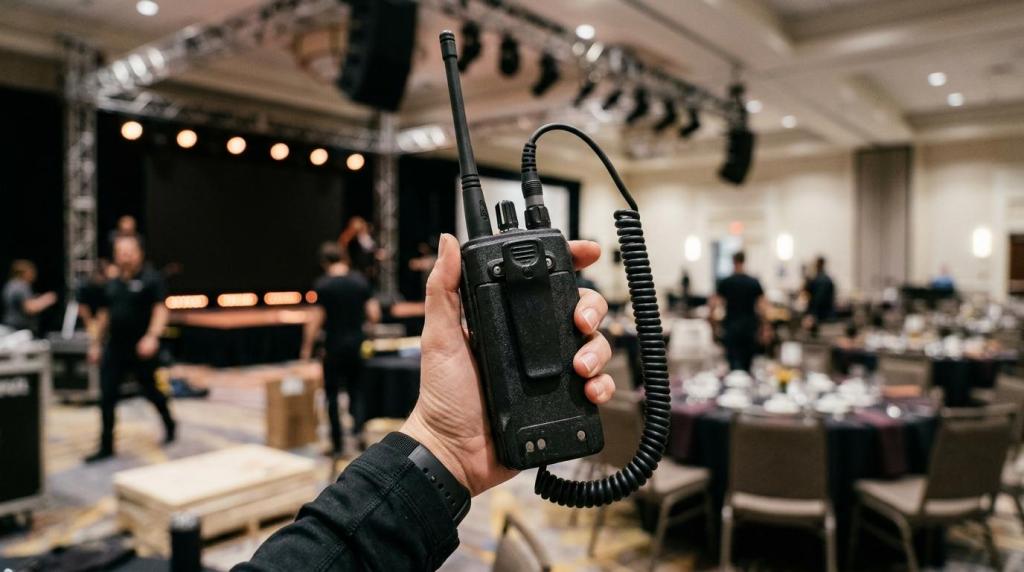
One of the simplest ways to reduce friction is to decide in advance where each kind of communication belongs. Approvals and contractual changes should live in writing. Real-time operational updates can happen in messaging channels or on radio. Escalations should go to named decision-makers, not a group thread where everyone assumes someone else will answer.
Silence is not a communication plan.
A practical vendor management workflow from sourcing to show day
The most reliable vendor management systems are disciplined, but not heavy. Teams need enough structure to control complexity without slowing momentum. A straightforward workflow keeps everyone moving in the same direction.
A practical sequence often looks like this:
- Define the event requirements, budget parameters, guest profile, service standards, and risk profile.
- Build and issue a precise RFP or quote request for each vendor category.
- Compare proposals against the same criteria, then interview finalists and check references.
- Finalize contracts, collect compliance documents, and hold a kickoff meeting with each critical partner.
- Integrate vendors into the master timeline, confirm responsibilities, then reconfirm every major detail before load-in.
This process becomes even more valuable when timelines compress. Corporate events often move quickly, especially when leadership calendars shift or business priorities change. A clear workflow allows the team to move fast without becoming reactive.
Event risk management and contingency planning for vendors
Premium events need backup plans that feel as polished as the primary plan.
That means alternate equipment for essential production elements, reserve transportation capacity, staffing redundancy in guest-facing roles, and documented responses for weather, traffic disruption, supply shortages, or late-stage schedule changes. The backup should never feel like a downgrade that jars the guest experience.
Contingency planning also depends on honest conversations with vendors. A planner needs to know what inventory is truly available, which substitutions are acceptable, how quickly a crew can pivot, and who has authority to act on-site. Hope is not a strategy. Neither is a contact list with no escalation tree.
When a disruption occurs, the strongest vendor teams do three things well: they communicate fast, they stay calm, and they protect the guest experience first.
Vendor scorecards and long-term vendor relationships
Post-event review is where vendor management becomes smarter over time. Without evaluation, every new event starts from scratch.
A simple scorecard is usually enough. Rate each vendor on reliability, communication, service quality, budget accuracy, flexibility, compliance, and recovery performance when something went wrong. A short debrief after every program helps identify who belongs on a preferred bench and who should not be rebooked for high-stakes work.
That preferred bench matters. Long-term vendor relationships often bring stronger execution, faster problem-solving, and better access during peak seasons. Trusted partners learn the client’s standards, brand tone, and pace of decision-making. That familiarity can be a major asset during executive-facing programs.
At the same time, a mature strategy leaves room for fresh sourcing. New destinations, niche experiences, and creative shifts may call for new partners. The most resilient model is a curated core of trusted vendors, paired with selective testing of new talent in lower-risk scopes.
Event technology that supports vendor management at scale
As event portfolios grow, spreadsheets and email chains start to show their limits. Technology cannot replace judgment, but it can create speed, visibility, and cleaner control.
The best systems support sourcing, contract tracking, budget visibility, document storage, floorplans, communications, and post-event reporting. They also reduce a common source of stress: hunting for the latest version of a schedule, BEO, contact sheet, or vendor insurance certificate five days before show day.
For enterprise teams, the real advantage comes from integration. When event operations, CRM, registration, finance, and internal approvals connect more cleanly, vendors receive better information and decision-makers see risk earlier.
A useful tech stack often includes:
- Shared document control
- Task management with owners and deadlines
- Proposal and contract tracking
- Budget reconciliation tools
- Floorplan and logistics coordination
- Vendor history and performance records
Technology is most effective when paired with a disciplined operating style. A beautiful platform cannot fix inconsistent approvals or a vague scope of work.
What exceptional vendor management looks like on-site
On-site excellence has a very specific feel. Vendors arrive informed. Setup windows are respected. The production team works from the same show flow as the registration lead. Transportation knows which arrivals are VIP. Catering understands pacing, dietary priority, and service tone. The client is not fielding operational questions that should have been answered days ago.
Guests experience the result as polish.
For leadership teams and global brands, that polish carries real value. It creates trust in the planning process, protects the event investment, and gives stakeholders room to focus on business goals instead of operational friction. That is the standard strong vendor management should create every time.


Leave a comment