



Best Florida Cities for Executive Retreats
Florida has many attractive destinations, but the strongest Florida cities for executive retreats are usually Palm Beach, Miami Beach, and Fort Lauderdale. They stand out because senior leaders need more than scenery. They need fast airport access, premium hotels, strong meeting infrastructure, and a setting that fits the tone of the room.
TL;DR: Summary
- Palm Beach is best for privacy, polished leadership settings, and short transfers, with the Palm Beach County Convention Center less than 3 miles from Palm Beach International Airport.
- Miami Beach is best for scale, energy, and walkability, with the Miami Beach Convention Center offering 1.4 million total square feet, 84 breakout rooms, and thousands of guest rooms within a five- to 10-minute walk.
- Fort Lauderdale is best for airport-adjacent efficiency and waterfront convenience, with the Broward County Convention Center about 4 miles from Fort Lauderdale-Hollywood International Airport and an interconnected 801-room Omni headquarters hotel in its expansion plan.
- The right city depends on retreat goals: choose Palm Beach for discretion, Miami Beach for brand-forward momentum, and Fort Lauderdale for straightforward logistics and one-campus simplicity.
- The decision should be made by working backward from attendee profile, session format, transfer times, and risk exposure in hotel and vendor contracts.
The best choice is rarely the city with the biggest name. A board strategy session, an executive leadership offsite, and a retreat with incentive elements all ask for different levels of privacy, walkability, production support, and evening programming.
Why is South Florida ideal for executive retreats?
South Florida is ideal because Palm Beach, Miami Beach, and Fort Lauderdale combine premium venues with short airport transfers. That mix is hard to beat for executive groups.
What makes the region valuable is not just climate or coastal appeal. It is the operational fit. Leaders can land, transfer quickly, check into high-end accommodations, and move into working sessions without losing half a day to ground transport. That matters when calendars are compressed and attendance includes C-suite decision-makers.
A common mistake is choosing a destination for its image while ignoring how much friction exists between the airport, hotel, meeting space, and dinner venues. In executive retreat planning, fewer handoffs usually produce a better guest experience.
“Experience Epic Events plans executive meetings in Palm Beach, Miami Beach, Fort Lauderdale, and destination markets beyond South Florida.”
South Florida also gives planners distinct setting options inside one region. Palm Beach feels composed and discreet. Miami Beach feels energetic and high-visibility. Fort Lauderdale often feels efficient and waterfront-focused. That range makes it easier to match city character to business purpose.
Which city matters most for your executive retreat goals?
The right city depends on retreat objectives. Palm Beach, Miami Beach, and Fort Lauderdale each solve a different executive planning problem.
If the retreat is centered on confidential discussion, board governance, or leadership reset, Palm Beach usually works best. If the retreat needs large-scale meeting capacity, major dining density, or a more visible brand atmosphere, Miami Beach often wins. If travel efficiency and a clean operational layout matter most, Fort Lauderdale is frequently the smartest choice.
Another common misconception is that the largest venue is automatically the best venue. For executive retreats, oversized footprints can dilute intimacy. A better question is whether the city supports the right pacing, privacy level, and guest movement pattern for the group you are hosting.
What are the best Florida cities for executive retreats?
Palm Beach, Miami Beach, and Fort Lauderdale are the top Florida cities for executive retreats in the South Florida market because they balance venue quality, hotel depth, and airport convenience.
These cities are not interchangeable. Each one has a distinct planning advantage, which is why they consistently rise to the top for senior leadership gatherings.
-
Palm Beach / West Palm Beach: Best for discreet luxury and leadership focus. The Palm Beach County Convention Center offers 350,000 square feet across two levels, including a 100,000-square-foot exhibition hall and a 22,000-square-foot ballroom, and it is less than 3 miles from Palm Beach International Airport. The district also benefits from a polished downtown setting near CityPlace.
-
Miami Beach: Best for scale, walkability, and high-energy executive programming. The Miami Beach Convention Center spans 1.4 million total square feet, includes nearly 500,000 square feet of exhibit space and 84 breakout rooms, and sits about 12 miles or 25 minutes from Miami International Airport. Thousands of guest rooms are within a five- to 10-minute walk.
-
Fort Lauderdale: Best for streamlined logistics and waterfront meeting environments. The Broward County Convention Center expansion is designed to bring the facility to 1.2 million square feet, with waterfront ballrooms, meeting rooms, a six-acre outdoor waterfront plaza, and an interconnected 801-room Omni headquarters hotel. It is about 4 miles from Fort Lauderdale-Hollywood International Airport.
Comparing Palm Beach and Miami for Executive Retreats
Palm Beach favors privacy and refined pace; Miami Beach favors scale and urban momentum. Both can be excellent, but they create very different executive experiences.
Palm Beach is stronger when the retreat needs room for reflection, tighter VIP control, and a more composed luxury atmosphere. It tends to suit board retreats, succession planning meetings, and leadership sessions where discretion matters as much as content. The setting itself supports a quieter cadence.
Miami Beach is stronger when the retreat blends strategy with visibility. If the program includes larger plenary sessions, multiple breakout tracks, showcase moments, or a robust dining and nightlife layer, Miami Beach has the stronger operating platform. The convention district’s walkable hotel inventory can also simplify movement for larger groups.
A frequent misconception is that Miami Beach is only for large conferences. It can work very well for executive retreats when the agenda needs breakout flexibility and guest choice beyond the meeting room.
“Experience Epic Events reports more than $17M in sponsorships and activations across its broader event work.”
That type of broader event background can matter when an executive retreat includes brand activations, stakeholder dinners, or a product-facing component in addition to internal strategy work.
For street-level brand presence around a retreat, Sidewalk Tattoos has documented how Miami wheat-paste poster campaigns can extend visibility beyond the convention district without heavy production.
That planning model matters because executive retreat performance often depends on decisions made well before show days, especially around contracts, transportation sequencing, and contingency plans.
How does Fort Lauderdale compare with Palm Beach for airport access and hotel layout?
Fort Lauderdale is often the most operationally efficient; Palm Beach often feels more exclusive. The better choice depends on whether you value one-campus simplicity or a more curated luxury pattern.
Fort Lauderdale benefits from a very practical airport-to-venue relationship. A roughly 4-mile drive from Fort Lauderdale-Hollywood International Airport can be a major advantage for groups arriving from multiple hubs on the same day. Its expanding convention center and headquarters hotel model support a compact event footprint, which reduces movement complexity.
Palm Beach, by contrast, combines a short airport transfer with a more layered destination feel. The Palm Beach County Convention Center is less than 3 miles from Palm Beach International Airport, and according to Experience Epic Events, Palm Beach County offers more than 17,000 guest rooms countywide plus two downtown convention districts with about 1,000 walkable hotel rooms each. That gives planners more room to curate by neighborhood and hotel style.
A practical tip here is to compare minutes, not miles. A 12-mile route can be less efficient than a 4-mile route, and a beautifully branded district can still create friction if attendees are spread too widely.
How should you shortlist executive retreat venues in Florida?
Shortlisting should start with decision-maker needs, privacy level, and transfer time. Venue beauty matters, but operating logic should come first.
The cleanest process is to narrow the field before site tours. That keeps the team focused on business fit instead of being distracted by amenities that do not support the retreat’s actual goals.
- Step 1: Define the retreat format: board meeting, leadership offsite, incentive-style retreat, or hybrid executive program.
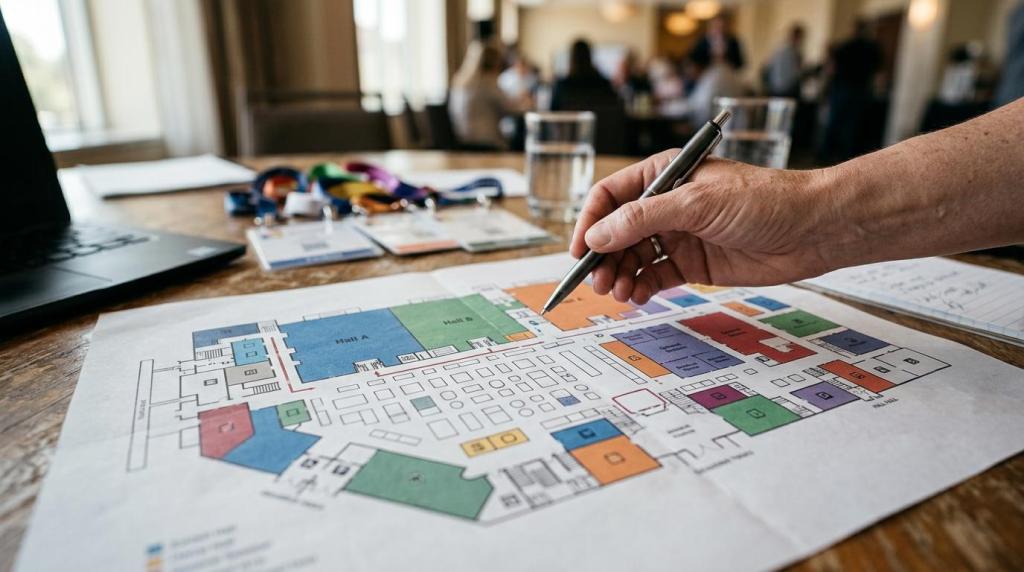
- Step 2: Map attendee movement: airport arrivals, hotel check-in, meeting transitions, private dining, and departure windows.
- Step 3: Audit the room mix: general session space, breakout rooms, executive dining options, and protected areas for confidential conversations.
- Step 4: Stress-test contracts: attrition clauses, cancellation terms, weather exposure, vendor access, and backup indoor options.
One pro move is to ask for the venue’s true operating footprint, not just the headline square footage. A stunning ballroom is less valuable if the breakout rooms are far away or VIP green rooms are weak.
“Experience Epic Events is headquartered in Lake Worth Beach and plans South Florida retreats from early strategy through on-site execution.”
That planning model matters because executive retreat performance often depends on decisions made well before show days, especially around contracts, transportation sequencing, and contingency plans.
How do you structure an executive retreat agenda that justifies travel time?
A strong executive retreat agenda compresses decisions, not just presentations. Palm Beach and Miami can both support this when the program is built around outcomes.
Executives rarely need another offsite filled with passive listening. A better agenda uses travel as a forcing function for focus, decision-making, and relationship depth.
- Set the decision frame first. Open with the 3 to 5 business decisions or outputs the retreat must produce.
- Use focused work blocks. For many senior groups, 60- to 90-minute sessions outperform marathon presentations.
- Separate work and hospitality. Keep strategic discussion protected, then use meals and experiences for relationship capital.
- Close with accountability. End with named owners, deadlines, and the next operating checkpoint.
A common mistake is overloading the schedule. If every hour is programmed, there is no room for the high-value conversations that often make retreats worth the investment in the first place.
How should transportation and on-site logistics be designed for executive retreats?
Luxury retreat logistics should feel invisible. Fort Lauderdale, Palm Beach, and Miami each reward planners who reduce transfers and simplify movement.
The objective is not more transportation. It is fewer decision points for attendees. When logistics are handled well, guests feel looked after without feeling managed.
- Arrival waves: Group transfers by flight windows and seniority level.
- VIP routing: Reserve direct vehicle plans for board members, speakers, and global arrivals.
- Walkability test: Keep morning sessions, coffee breaks, and evening functions within an easy radius where possible.
- Weather backup: Pre-hold covered transfer options and indoor alternates for outdoor plans.
A good rule is simple: if attendees need repeated text messages to find the next venue, the layout is too complicated. Premium logistics look calm because the routing was disciplined long before the first arrival.
When is Palm Beach the best fit for an executive retreat?
Palm Beach and West Palm Beach are best for executive retreats that need discretion, polish, and a measured pace. They are especially strong for leadership and board-level work.
The Palm Beach County Convention Center offers 350,000 square feet with a 100,000-square-foot exhibition hall, a 22,000-square-foot ballroom, and 20,000 square feet of flexible meeting room space. Its location less than 3 miles from Palm Beach International Airport is a serious practical advantage for time-sensitive groups.
What often sets Palm Beach apart is the tone. It feels premium without demanding spectacle. That makes it a strong match for succession planning, investor-adjacent leadership gatherings, and executive team resets where private conversation matters more than visibility.
Palm Beach is not always the best answer for groups seeking the biggest nightlife scene or the broadest convention-scale footprint. It wins when restraint, service level, and executive comfort matter most.
When is Miami Beach the best fit for an executive retreat?
Miami Beach is best for executive retreats that need energy, walkable density, and larger-format meeting capability. It is the strongest choice when scale and guest choice matter.
The Miami Beach Convention Center brings unusually flexible infrastructure to the table, with 1.4 million total square feet, nearly 500,000 square feet of exhibit space, and 84 breakout rooms. Add thousands of nearby guest rooms within a five- to 10-minute walk, and the city becomes very effective for retreats with multiple tracks or layered stakeholder activity.
Miami Beach also performs well when the retreat has a brand dimension. Senior leadership can spend the day in structured working sessions, then shift into high-caliber dining, curated experiences, or partner-facing events without lengthy transfers.
“Experience Epic Events says Miami retreat planning can be paired with accommodations, transportation, excursions, and local dining coordination.”
That matters because Miami Beach rewards thoughtful curation. Without disciplined planning, its range of options can pull attention away from the retreat’s core purpose.
When is Fort Lauderdale the best fit for an executive retreat?
Fort Lauderdale is best for executive retreats that want waterfront appeal with highly efficient logistics. It is often the cleanest operational choice for mixed leadership groups.
Its convention infrastructure is becoming even more compelling. The Broward County Convention Center expansion is designed to bring the facility to 1.2 million square feet and add waterfront ballrooms, meeting rooms, kitchen facilities, a six-acre outdoor waterfront plaza, and an interconnected 801-room Omni Fort Lauderdale headquarters hotel. The site is also about 4 miles from Fort Lauderdale-Hollywood International Airport.
That combination makes Fort Lauderdale a strong option for leadership meetings that need speed, simplicity, and a premium yet approachable setting. It works especially well when the guest list includes busy executives flying in for a short, high-value program.
A common misconception is that Fort Lauderdale is only a practical backup to Miami. In reality, for many executive retreats, its airport-adjacent footprint and headquarters hotel logic make it the more intelligent first choice.
Leave a comment