



Corporate Event Planning for Finance & Professional Services: Expert Strategies for Successful Banking and Professional Events
By Sarah Forbes Martin, Experience Epic Events
Corporate event planning in the finance and professional services sectors requires a strategic approach that balances logistics, audience engagement, compliance, and budget management. This article delves into expert strategies for organizing successful banking and professional events, ensuring that every aspect is meticulously planned to meet the unique needs of these industries. Attendees expect high-quality experiences that not only inform but also engage them, making it essential to incorporate interactive elements and innovative technologies. As businesses navigate the complexities of event planning, understanding the key components and best practices can significantly enhance the overall effectiveness of their corporate gatherings. This guide will cover essential topics, including planning logistics, audience engagement strategies, compliance considerations, budget management, and creative vision and design.
Expert Corporate Event Strategies for Finance & Professional Services
Effective planning logistics are crucial for the success of corporate events in the finance and professional services sectors. This involves a comprehensive understanding of venue selection, creating a detailed timeline, and coordinating with vendors to ensure seamless execution. A well-chosen venue not only accommodates the expected number of attendees but also reflects the brand’s image and values. Additionally, establishing a clear timeline helps in managing tasks efficiently, ensuring that every detail is addressed well in advance. Vendor coordination is equally important, as it involves aligning various service providers to work harmoniously towards a common goal.
Experience Epic, LLC specializes in corporate event planning with a focus on finance and professional services sectors. Their tailored event planning solutions are designed to meet the complex needs of businesses and organizations in banking, finance, and professional services industries.
Audience Engagement
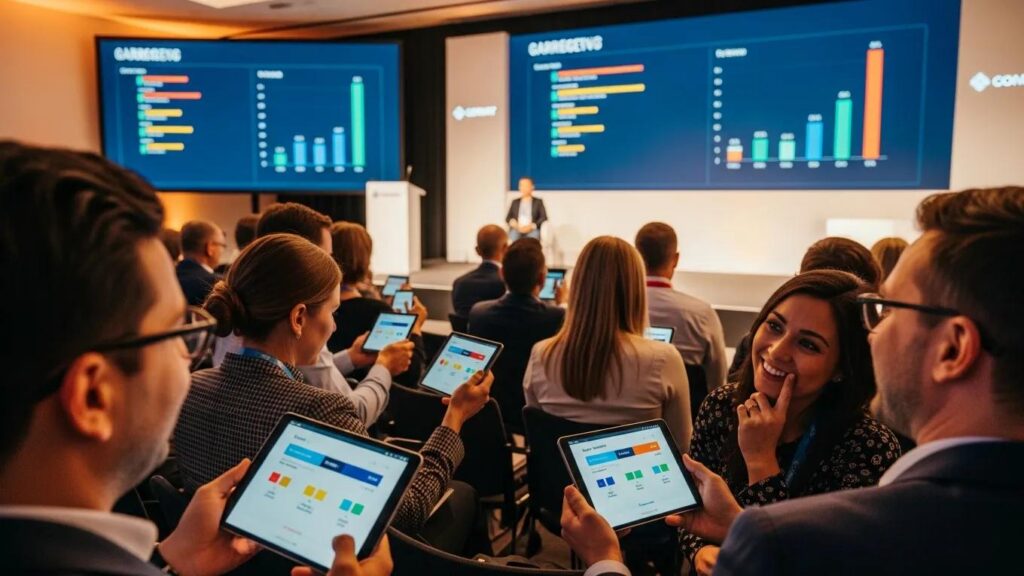
Engaging attendees during corporate events is essential for creating memorable experiences. Strategies for audience engagement include incorporating interactive elements, utilizing storytelling techniques, and facilitating networking opportunities. Interactive elements, such as live polls and Q&A sessions, encourage participation and keep the audience invested in the event. Storytelling can be a powerful tool to convey messages and connect with attendees on an emotional level. Furthermore, providing structured networking opportunities allows participants to build valuable connections, enhancing the overall value of the event.
The importance of tailored event planning services cannot be overstated, as they ensure that the specific needs and preferences of the audience are met, leading to higher satisfaction and engagement levels.
Compliance Considerations
Compliance is a critical aspect of corporate event planning, particularly in the finance and professional services sectors. Understanding regulatory compliance and implementing effective risk management strategies are essential to avoid potential legal issues. Event planners must stay informed about industry-specific regulations and ensure that all aspects of the event adhere to these guidelines. This includes data privacy considerations, especially when handling sensitive information related to attendees and financial transactions.
Further emphasizing the importance of data privacy, regulatory frameworks like GDPR play a crucial role in safeguarding personal information during events.
GDPR Compliance for Banking & Financial Events
GDPR 2016/679 is a European Union law framed to provide data protection and privacy for all individuals within the European Union and the European Economic Area. It also addresses the export of personal data outside the EU and EEA. The primary objective of GDPR is to give control to individuals over their personal data and to simplify the regulatory environment for international business by unifying the regulation within the EU. This paper provides an analysis of GDPR stake holders and compliance steps.
Analysis of general data protection regulation compliance requirements and mobile banking application security challenges, KK Lakshmi, 2016
Budget Management
Managing budgets effectively is vital for the success of corporate events. Establishing a clear budget framework allows planners to allocate resources efficiently and avoid overspending. Cost optimization strategies, such as negotiating with vendors and prioritizing essential services, can help maximize the event’s impact while staying within budget constraints.
Different budgeting strategies can be compared to identify the most effective approach for specific events.
| Budgeting Strategy | Description | Impact Level |
|---|---|---|
| Zero-Based Budgeting | Every expense must be justified for each new period | High |
| Incremental Budgeting | Adjusts previous budgets based on new data | Medium |
| Activity-Based Budgeting | Allocates funds based on activities and their costs | High |
A deeper dive into specific budgeting methodologies reveals the strategic advantages of approaches like zero-based budgeting for optimizing event expenditures.
Zero-Based Budgeting for Corporate Event Cost Efficiency
This study explores the implementation of Zero-Based Budgeting (ZBB) in corporate financial planning as a strategic approach to enhance operational cost efficiency. Utilizing a qualitative methodology, the research conducts a comprehensive literature review to analyze existing frameworks, case studies, and empirical evidence surrounding ZBB practices in various corporate settings. The findings indicate that ZBB, by requiring organizations to justify all expenses for each new period, fosters a culture of accountability and resource optimization. This budgeting method contrasts with traditional incremental budgeting, which often perpetuates inefficiencies and misallocations of resources. The literature reveals that companies adopting ZBB have reported significant improvements in cost management, operational flexibility, and strategic alignment of financial resources with organizational goals.
Implementation of zero-based budgeting in corporate financial planning to improve operational cost efficiency, S Santorry, 2025
This comparison highlights how different budgeting strategies can influence the overall financial management of corporate events.
Creative Vision and Design
The creative vision and design of corporate events play a significant role in their success. Developing unique themes and ensuring aesthetic appeal can enhance the overall experience for attendees. A well-executed design not only captivates the audience but also reinforces the event’s objectives and messaging.
What Are the Key Components of Effective Banking Event Management?
Effective banking event management involves several key components that ensure a successful outcome. These include:
- Planning Processes: Establishing clear objectives and timelines for the event.
- Stakeholder Engagement: Involving key stakeholders in the planning process to align goals and expectations.
- Budgeting Strategies: Implementing effective budgeting techniques to manage costs.
How to Coordinate Finance Conferences with Compliance and Risk Management
Coordinating finance conferences requires a thorough understanding of compliance and risk management. Defining clear goals and objectives is essential for guiding the planning process. Additionally, budgeting considerations must align with compliance requirements to ensure that all aspects of the event adhere to industry regulations.
What Logistics Ensure Smooth Banking Conference Execution?
Logistics play a crucial role in the execution of banking conferences. Key logistics considerations include:
- Venue Selection Criteria: Choosing a venue that meets the needs of the event and its attendees.
- Logistics Planning Checklist: Developing a comprehensive checklist to ensure all logistical aspects are covered.
How Do Professional Services Corporate Events Enhance Client Engagement?
Corporate events in the professional services sector can significantly enhance client engagement. By creating memorable experiences and facilitating meaningful connections, these events foster stronger relationships between businesses and their clients. Engaging presentations and interactive sessions can also provide valuable insights, further solidifying client trust and loyalty.
What Are Best Practices for Networking Event Planning in Professional Services?
When planning networking events in professional services, several best practices should be followed:
- Designing for Serendipity: Creating environments that encourage spontaneous interactions.
- Incorporating Structured Networking Opportunities: Providing specific times and formats for networking to maximize connections.
- Utilizing Technology: Leveraging event technology solutions to facilitate networking and engagement.
How to Select Venues Tailored for Professional Services Events
Selecting the right venue for professional services events involves considering several factors:
- Client Engagement Considerations: Ensuring the venue aligns with the brand and client expectations.
- Capacity and Location Factors: Choosing a venue that can comfortably accommodate attendees and is conveniently located.
Which Event Technology Solutions Optimize Finance and Professional Services Events?
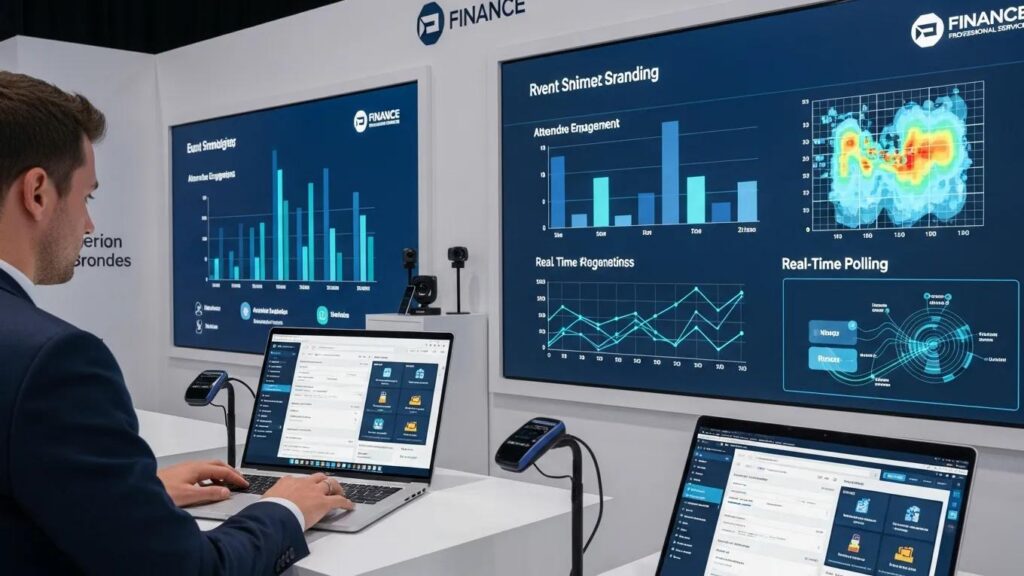
Event technology solutions can greatly enhance the effectiveness of finance and professional services events. Key solutions include:
- Event Management Software: Streamlining the planning and execution process.
- Live Polling Tools: Engaging attendees and gathering real-time feedback.
How Does Hybrid Event Technology Improve Attendee Experience?
Hybrid event technology offers numerous benefits for enhancing attendee experiences. By combining in-person and virtual elements, hybrid events increase engagement and accessibility. Attendees can participate from anywhere, allowing for a broader reach and more diverse audience.
The integration of advanced technologies, such as artificial intelligence, further amplifies the potential of hybrid events to create highly engaging and personalized experiences.
AI & Hybrid Events: Enhancing Participant Engagement
improve participant satisfaction. The integration of AI in virtual and hybrid events is revolutionizing event experiences by offering dynamic and personalized interactions. AI-powered tools can analyze attendee data to provide tailored content recommendations, facilitate intelligent networking, and automate administrative tasks, thereby enhancing the overall event flow and increasing the level of participant engagement. • Personalized Content Recommendations: AI algorithms can analyze attendee preferences, past interactions, and demographic data to suggest relevant sessions, speakers, and exhibitors, ensuring a highly customized experience for each participant.
Artificial Intelligence and Hybrid Events: Changing Virtual Event Experience, S Majumder, 2026
What Emerging Technologies Are Essential for Corporate Event Success?
Emerging technologies are reshaping the landscape of corporate events. Key technologies include:
- Event Management Software: Facilitating seamless planning and execution.
- Analytics Tools: Providing insights into attendee behavior and preferences.
What Compliance and Risk Management Strategies Are Critical for Finance Sector Events?
Implementing effective compliance and risk management strategies is essential for finance sector events. Key strategies include:
- Navigating Industry-Specific Regulations: Staying informed about relevant regulations and ensuring adherence.
- Ensuring Data Privacy: Protecting sensitive information related to attendees and transactions.
How to Navigate Industry-Specific Regulations in Banking Conferences
Navigating industry-specific regulations in banking conferences requires a thorough understanding of compliance requirements. Event planners must stay updated on relevant laws and ensure that all aspects of the event align with these regulations.
What Are the Best Practices for Ensuring Event Security and Data Privacy?
Ensuring event security and data privacy is paramount in corporate event planning. Best practices include:
- Implementing Security Measures: Establishing protocols to protect attendees and sensitive information.
- Ensuring Data Privacy Compliance: Adhering to regulations regarding data protection and privacy.
These best practices are essential for maintaining trust and integrity in corporate events, particularly in the finance and professional services sectors.

Leave a comment