


Defining Experiential Event Design: Strategies for Brand Activation
Experiential event design concepts are innovative strategies that create immersive and interactive experiences for audiences, transforming traditional events into engaging brand activations. This article will explore the core principles, techniques, and benefits of experiential event design, providing insights into how these concepts enhance audience engagement and brand recognition. Many businesses struggle to connect with their audiences in meaningful ways, leading to missed opportunities for brand loyalty and customer retention. By leveraging experiential event design, companies can create memorable experiences that resonate with their target audience. We will delve into the key components of experiential event design, effective brand activation strategies, and the latest event technology.
Comprehensive Guide on Experiential Event Design Concepts
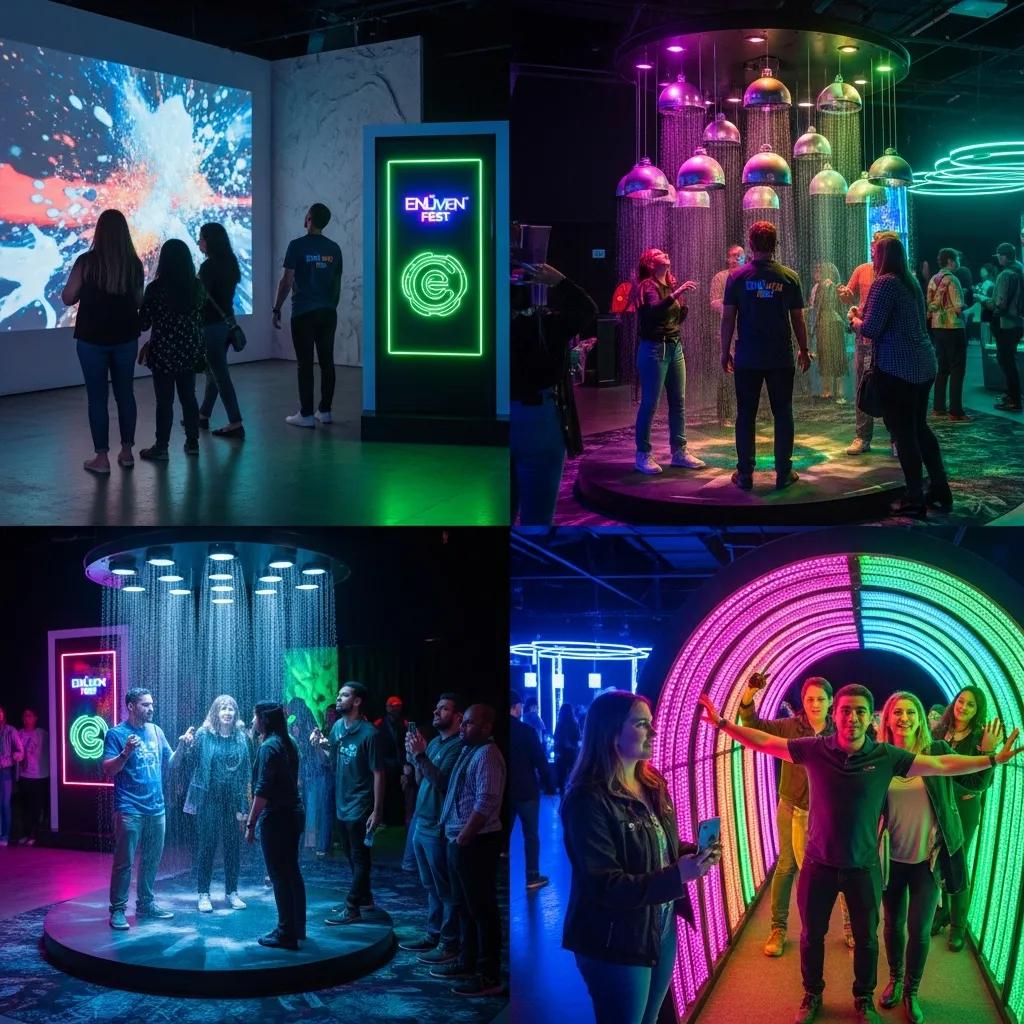
Experiential event design refers to the creation of events that prioritize audience engagement through immersive experiences. These concepts are significant because they foster emotional connections between brands and their audiences, leading to increased brand loyalty and recognition. By focusing on interactive elements, businesses can create memorable moments that leave a lasting impression on attendees.
Understanding Experiential Event Design
Experiential event design is centered around creating experiences that engage participants on multiple levels. This approach emphasizes emotional engagement, where attendees feel a personal connection to the event and the brand. By incorporating interactive experiences, such as hands-on activities or live demonstrations, brands can enhance the overall impact of their events, making them more memorable and effective.
Key Principles of Experiential Event Design
The fundamental principles guiding experiential event design include:
- Emotional Resonance: Creating experiences that evoke strong emotions helps forge deeper connections with the audience.
- Memorable Storytelling: Crafting a compelling narrative around the event enhances engagement and retention.
- Customer-Centric Approach: Focusing on the needs and preferences of the audience ensures that the event resonates with them.
These principles are essential for designing events that not only attract attendees but also encourage them to engage with the brand on a deeper level.
Techniques for Immersive Event Strategies

Various techniques can be employed to create immersive event experiences, including:
- Interactive Installations: Engaging displays that allow attendees to participate actively.
- Gamification: Incorporating game-like elements to encourage participation and competition.
- Themed Environments: Creating a cohesive atmosphere that aligns with the brand’s message and objectives.
These techniques help to create a dynamic environment that captivates attendees and enhances their overall experience.
Brand Activation Strategies

Effective brand activation strategies are crucial for maximizing the impact of experiential events. Key strategies include:
- Personalization: Tailoring experiences to individual preferences increases engagement and satisfaction.
- Social Media Integration: Encouraging attendees to share their experiences online amplifies brand visibility and reach.
- Post-Event Engagement: Following up with attendees after the event helps maintain the connection and encourages future interactions.
Experience Epic, LLC specializes in delivering experiential event design concepts that incorporate these strategies, ensuring that brands effectively engage their audiences.
Examples of Successful Experiential Events
Successful experiential events often showcase innovative approaches to audience engagement. Notable examples include:
- Product Launches: Creating buzz around new products through interactive demonstrations and immersive experiences.
- Themed Corporate Events: Designing events that reflect the company’s culture and values, fostering a sense of community among employees.
- Interactive Trade Shows: Utilizing engaging displays and activities to attract attendees and facilitate meaningful interactions.
These examples illustrate how experiential event design can elevate brand presence and create lasting impressions.
Measuring Success
Measuring the success of experiential events is essential for understanding their impact. Key metrics include:
- Feedback and Data Collection: Gathering attendee feedback helps assess satisfaction and areas for improvement.
- Engagement Metrics: Analyzing participation levels and interactions provides insights into the effectiveness of the event.
- Post-Event Analysis: Evaluating the overall success of the event in achieving its objectives is crucial for future planning.
| Metric | Description | Value |
|---|---|---|
| Attendee Satisfaction | Percentage of attendees who rated the event positively | 85% |
| Engagement Rate | Number of interactions per attendee | 5 interactions |
| Brand Recall | Percentage of attendees who remember the brand post-event | 70% |
This table highlights the importance of measuring various aspects of experiential events to ensure destination management and success.
What Defines Experiential Event Design and Its Core Elements?
Experiential event design is defined by its focus on creating memorable experiences that engage audiences on multiple levels. Core elements include interactive installations, emotional resonance, and storytelling techniques that enhance the overall impact of the event. By prioritizing these elements, brands can create events that not only attract attendees but also foster lasting connections.
How Does Experiential Event Design Enhance Audience Engagement?
Experiential event design enhances audience engagement by creating immersive experiences that resonate emotionally with participants. By incorporating interactive elements and storytelling, brands can capture the attention of their audience and encourage active participation. This approach leads to deeper connections and increased brand loyalty, as attendees feel more invested in the experience.
What Are the Main Components of Immersive Event Experiences?
The main components of immersive event experiences include:
- Interactive Elements: Activities that encourage participation and engagement.
- Thematic Consistency: A cohesive theme that aligns with the brand’s message and objectives.
- Emotional Engagement: Experiences that evoke strong emotions and create lasting memories.
These components work together to create a holistic experience that captivates attendees and enhances their connection to the brand.
Which Event Design Strategies Create Interactive and Memorable Experiences?
Effective event design strategies that create interactive and memorable experiences include:
- Utilizing Technology: Incorporating AR and VR to enhance engagement and create unique experiences.
- Creating Multi-Sensory Environments: Engaging multiple senses to create a more immersive experience.
- Encouraging Social Interaction: Designing spaces that facilitate networking and collaboration among attendees.
These strategies help to create a dynamic environment that fosters engagement and leave a lasting impression on participants.
How Do Sensory and Storytelling Techniques Elevate Event Impact?
Sensory and storytelling techniques elevate event impact by creating a more immersive experience for attendees. By engaging multiple senses, brands can create a more memorable experience that resonates emotionally. Storytelling helps to weave a narrative that connects attendees to the brand, enhancing their overall engagement and retention.
What Role Does Brand Activation Play in Experiential Events?
Brand activation plays a crucial role in experiential events by ensuring that the brand message is effectively communicated and resonates with the audience. Through interactive experiences and emotional engagement, brands can create lasting impressions that drive customer loyalty and advocacy.
What Technologies Are Driving Innovation in Experiential Event Design?
Innovative technologies are transforming experiential event design, enabling brands to create more engaging and interactive experiences. Key technologies include:
- Augmented Reality (AR): Enhancing real-world environments with digital overlays to create immersive experiences.
- Virtual Reality (VR): Providing fully immersive experiences that transport attendees to different environments.
- Event Apps: Facilitating communication and engagement through interactive features and real-time updates.
Indeed, the integration of interactive technologies like VR, AR, and gamification is increasingly recognized for its ability to create truly immersive business event experiences.
Interactive Tech for Immersive Business Events: VR, AR, Gamification
This thesis investigates the role of interactive technologies in enhancing immersive experiences at business events. Despite the increasing trend of marketing events immersive, there is limited research on how interactive technologies like Virtual Reality (VR), Augmented Reality (AR), and gamification can facilitate this immersion. The study bridges this gap by combining literature from various fields and insights from expert interviews with event specialists and designers of immersive experiences. The findings highlight that VR and AR technologies significantly enhance sensory engagement and emotional immersion, while gamification fosters social interaction and networking, whi Interactive Technology for Immersive Business Event Experiences, 2024
How Are AR and VR Integrated into Immersive Event Experiences?
AR and VR are integrated into immersive event experiences by providing attendees with unique and engaging interactions. These technologies allow brands to create environments that captivate audiences and enhance their overall experience, making events more memorable and impactful.
What Are the Latest Trends in Event Technology for 2026?
As we look towards 2026, several trends are emerging in event technology, including:
- Hybrid Events: Combining in-person and virtual experiences to reach a broader audience.
- Sustainability: Focusing on eco-friendly practices and materials in event planning.
- Data-Driven Insights: Utilizing analytics to measure event success and improve future planning.
These trends reflect the evolving landscape of experiential event design and the importance of adapting to changing audience expectations.
What Benefits and ROI Can Businesses Expect from Experiential Events?
Businesses can expect several benefits and a strong return on investment (ROI) from experiential events, including:
- Increased Brand Awareness: Engaging experiences lead to higher visibility and recognition.
- Enhanced Customer Loyalty: Memorable events foster emotional connections that drive repeat business.
- Improved Engagement Metrics: Higher levels of participation and interaction translate to better engagement.
How Do Experiential Events Improve Brand Awareness and Recall?
Experiential events improve brand awareness and recall by creating memorable experiences that resonate with attendees. By engaging audiences through interactive elements and emotional storytelling, brands can ensure that their message is retained long after the event concludes.
What Metrics Demonstrate Increased Customer Engagement?
Key metrics that demonstrate increased customer engagement include:
- Participation Rates: The percentage of attendees who actively engage with event activities.
- Social Media Interactions: The number of shares, likes, and comments related to the event.
- Post-Event Surveys: Feedback collected from attendees regarding their experience and engagement levels.
These metrics provide valuable insights into the effectiveness of experiential events and their impact on audience engagement.
About Experience Epic Events
Experience Epic Events is a premier event design firm specializing in immersive brand activations and corporate experiences. With deep expertise in experiential marketing strategy, event design concepts, and experiential event design, their team brings industry-leading knowledge to every project.
Editorial Review Process
All content published by Experience Epic Events is reviewed by their lead event strategists to ensure industry accuracy and adherence to innovative design standards. Their editorial team draws on hands-on experience across hundreds of brand activations, corporate events, and immersive experiences to validate every insight shared on this platform.
Our Expertise
- Immersive brand activations and experiential event design
- Corporate event experience strategy and execution
- Experiential marketing concepts and campaign development
- Event engagement ideas and attendee journey mapping
- Event design principles, elements, and creative direction

Leave a comment