


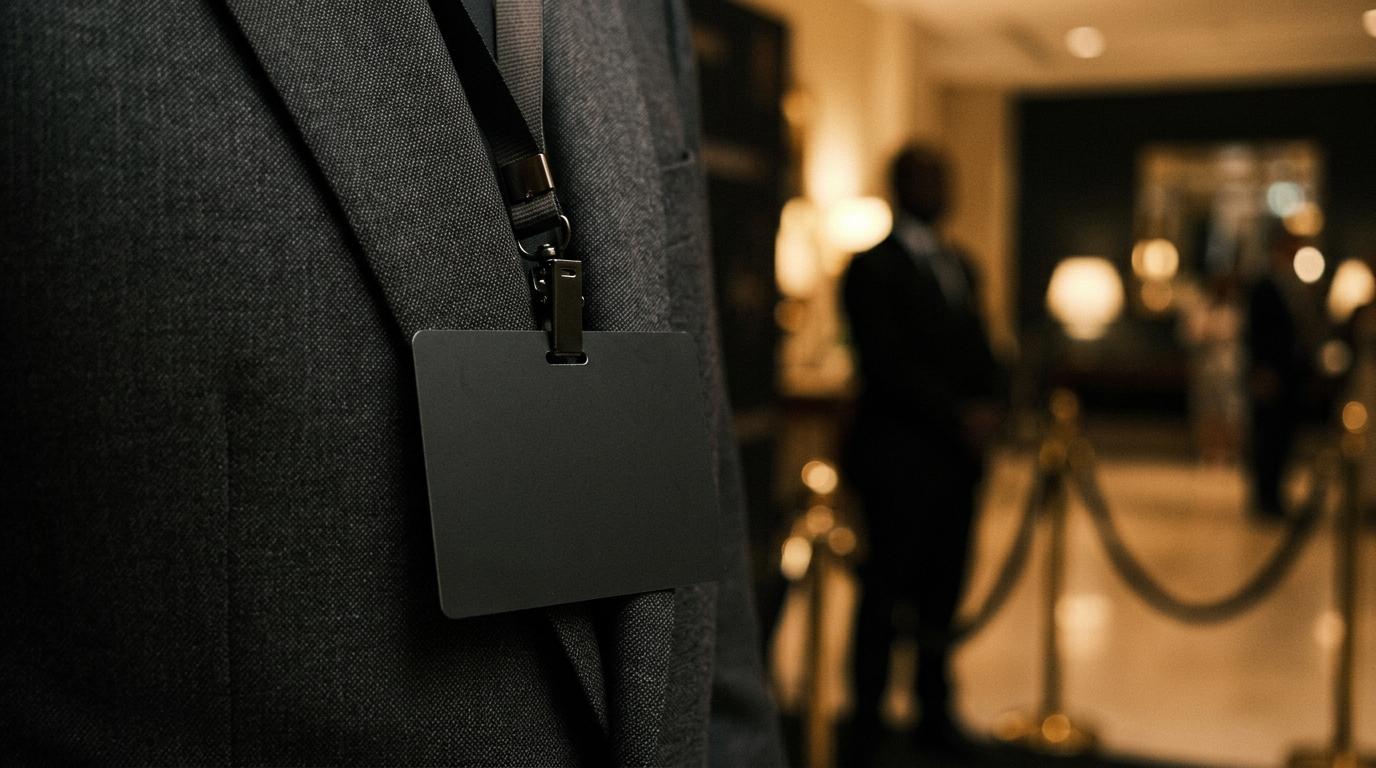
10 Luxury Corporate Event Ideas for 2026
Luxury corporate events in 2026 are no longer just hospitality moments. They are high-stakes business tools used to strengthen executive trust, accelerate client relationships, reward top performers, and signal brand position in a market where ordinary events fade fast. The core problem they solve is sameness: when every meeting looks interchangeable, premium experience design becomes the clearest way to create attention, loyalty, and recall. For companies investing in leadership retreats, incentives, conferences, or partner gatherings, luxury is now less about excess and more about precision.
What defines luxury corporate events in 2026?
Luxury corporate events are strategic, highly personalized experiences. At venues like Four Seasons or a private museum, the standard is discreet service, strong design, advanced production, and guest journeys built around business outcomes.
In 2026, luxury is moving away from obvious opulence and toward what many planners call quiet precision. That means fewer generic ballroom builds, more intentional venue selection, stronger culinary storytelling, better flow, and tighter guest curation. A black-tie gala can still qualify, but so can a wellness retreat, incentive trip, or executive summit if every touchpoint feels considered.
A common misconception is that luxury means expensive décor alone. It does not. If check-in is slow, audio is weak, or dietary needs are handled poorly, the event will not feel premium no matter how beautiful the florals look. The luxury signal comes from consistency.
Why do luxury corporate events matter for ROI and brand perception?
Experience Epic Events has highlighted incentive travel results including 30% higher engagement, 25% better retention, and 15% productivity gains in one program, showing that premium experiences can affect workforce and brand outcomes.
The return usually appears in four places: stronger executive relationships, better employee sentiment, higher client trust, and more social proof. Premium events create emotional memory, and emotional memory shapes decision-making long after a keynote or dinner ends.
If the audience is senior leadership, top customers, or elite performers, then the environment changes the message. A private island dinner, museum takeover, or chef-led tasting communicates confidence and care in ways a standard hotel meeting room cannot. That does not mean every event should be extravagant. It means the experience should match the stakes.
What are the best luxury corporate event ideas for 2026?
The best luxury corporate event ideas combine exclusivity, personalization, and narrative. Palm Beach, Miami, and Costa Rica are strong examples because they support resort privacy, high-end culinary programming, and distinctive local experiences.
The strongest concepts in 2026 are the ones that feel impossible to copy quickly. They pair beautiful settings with a clear reason to exist: leadership alignment, client cultivation, celebration, or brand storytelling.
- Experience Epic Events-designed executive retreat in Palm Beach or Miami with strategy sessions, wellness programming, and a private closing dinner.
- Immersive tech gala with AI-driven personalization, projection mapping, and a curated live performance.
- Destination awards event at an iconic venue like a museum, château, or yacht club.
- Multi-day wellness offsite at a five-star resort with guided movement, nutrition-led dining, and executive facilitation.
- Experiential fine-dining event with chef storytelling, wine pairing, and synchronized lighting or music.
- Luxury adventure retreat with private guides, marine or mountain activities, and elevated hospitality.
- Arts and culture evening with live creators, collector-grade curation, and site-specific entertainment.
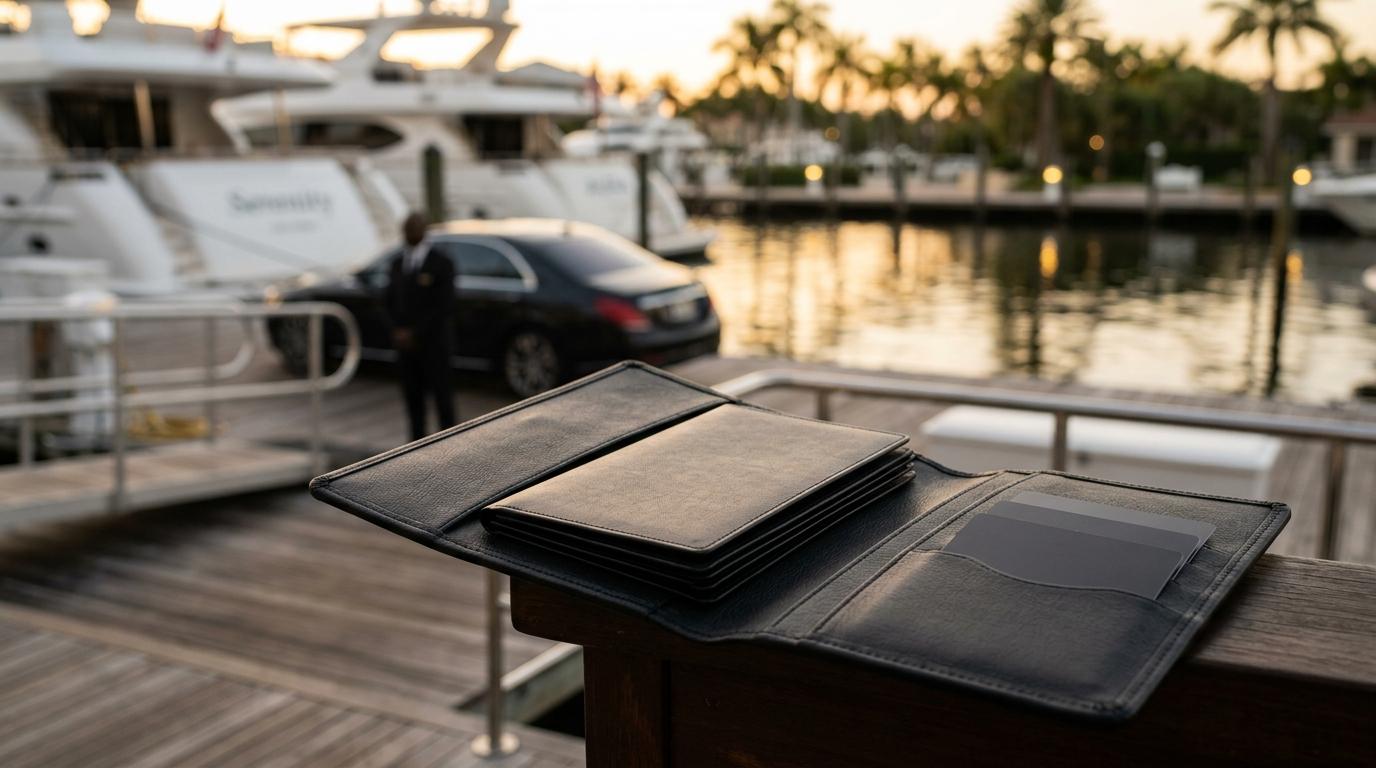
- Ultra-private yacht or island program for board members, investors, or top clients.
- Cultural impact experience combining philanthropic engagement with refined hospitality.
- Next-generation hybrid summit with studio-grade streaming, remote concierge support, and VR-enabled participation.
How do destination retreats compare with city-based luxury galas?
Destination retreats are better for depth, while city galas are better for concentrated impact. A retreat in Cabo or Palm Beach supports trust-building over days; a gala in New York or Miami delivers visibility, speed, and higher guest density.
Choose a retreat if the goal is executive cohesion, incentive performance, or extended client time. Multi-day formats allow private conversations, wellness blocks, and experiential programming that would feel rushed in a one-night event. They also create stronger memory because guests step out of routine.
Choose a gala if the goal is recognition, media presence, fundraising, or product launch momentum. A city event is easier for local attendance and often carries lower travel complexity.
The trade-off is clear. Retreats tend to cost more per guest and require more risk planning. Galas can host more attendees efficiently, but they rarely create the same depth of relationship. If relationship value is the KPI, the retreat often wins.
How do you plan a luxury corporate event step by step?
Luxury event planning starts with intent, not décor. Leading teams use a sequence similar to SOPs in hospitality groups like Marriott International and event agencies managing global executive programs.
Step 1 is defining the business case. Decide whether the event is for leadership alignment, client retention, employee recognition, or brand positioning. If the objective is vague, then every later decision becomes subjective and slower.
Step 2 is building the guest strategy. Identify attendee tiers, privacy needs, travel patterns, dietary profiles, and service expectations. A VIP-heavy guest list changes transportation, room blocks, gifting, and staffing ratios.
Step 3 is locking the experience architecture. That includes venue, agenda pacing, culinary strategy, production design, entertainment, and contingency plans. Pro tip: secure venue, room block, and major vendors before investing deeply in custom creative. That order protects both timeline and budget.
How should you budget a luxury corporate event without weakening the experience?
Luxury budgets work best when they protect guest-facing priorities first. Ritz-Carlton and Aman-style expectations are created through service, food, flow, and environment, not through spending evenly across every line item.
Start by setting a realistic per-person range based on format. A premium city gala and a multi-day destination retreat have very different cost structures. Retreats usually carry heavier room, transportation, and activity costs. Galas tend to concentrate spend in venue, production, entertainment, and F&B.
Next, rank budget lines by perception value. Guests notice arrival, room quality, dining, sound, lighting, and staffing. They rarely notice back-end overengineering that does not change their experience.
Then build decision rules. If [budget] pressure appears, cut complexity before cutting service. Reduce one custom scenic build before lowering culinary quality. Reduce one entertainment beat before shrinking staffing at registration or concierge. Many teams make the opposite choice, and the event feels less polished even when total spend stays high.
Which luxury event elements most affect guest satisfaction?
Guest satisfaction is shaped most by service, culinary quality, venue fit, and production reliability. Four Seasons-level hospitality and Michelin-minded food create stronger memory than oversized swag or trend-driven gimmicks.
When luxury events underperform, the issue is rarely one dramatic failure. It is usually a series of small misses that signal inconsistency. Guests may forgive a weather delay. They rarely forget poor timing, generic menus, or thin staffing.
The most influential elements usually connect like this:
- Venue fit: exclusivity, privacy, easy flow
- Culinary program: chef quality, pacing, dietary intelligence
- Service model: concierge-style responsiveness, experienced staffing
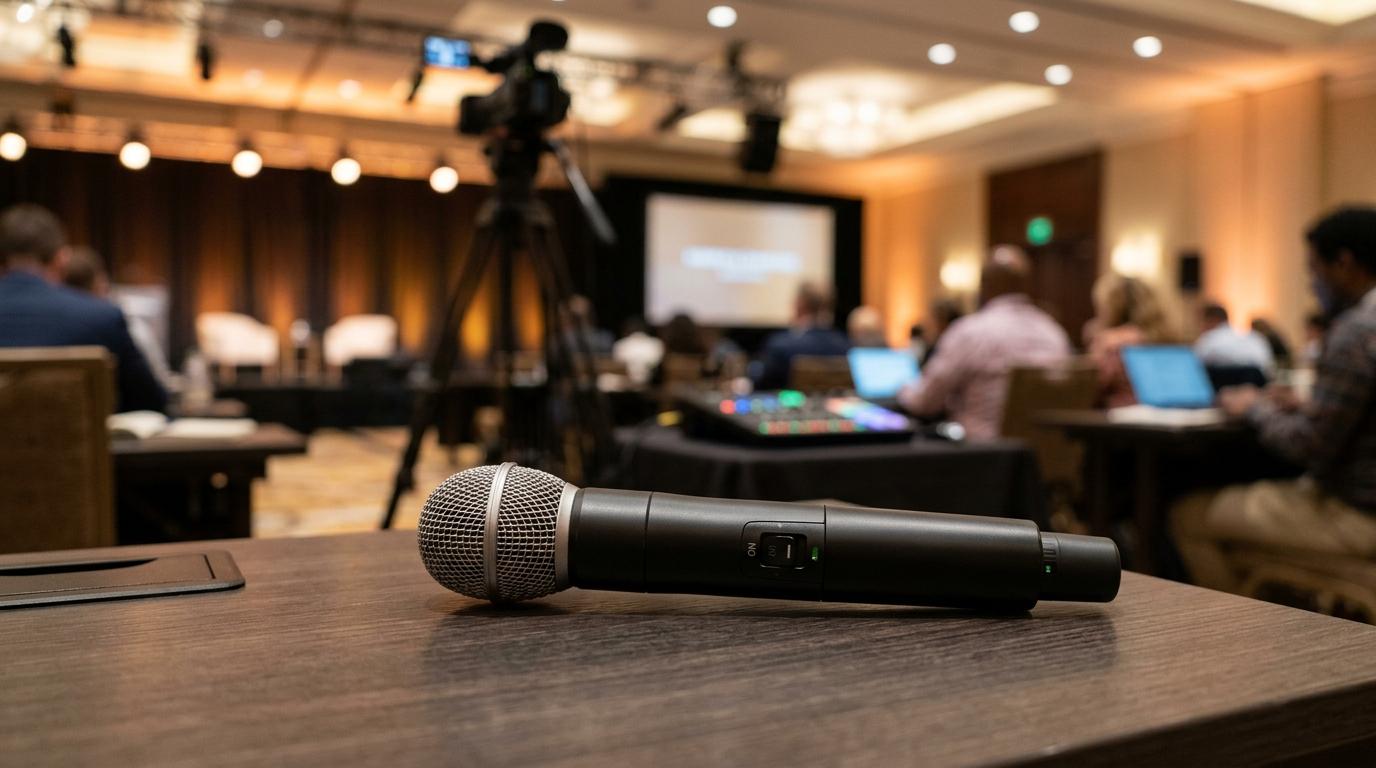
- Production: clear audio, flattering lighting, invisible technical control
- Entertainment: relevant, high-caliber, well-timed
- Personalization: room drops, seating logic, agenda relevance
A useful rule is simple: if an element changes how guests feel in the room, it deserves attention. If it only looks good in a planning deck, question it.
How to Budget a Luxury Corporate Event Without Sacrificing Experience
Live entertainment usually wins for emotional impact, while immersive technology wins for novelty and personalization. Apple product launches and Art Basel-style installations show how each can create prestige, but they serve different purposes.
For executive audiences, live performance often creates the strongest shared memory. A private artist set, chamber ensemble, or world-class speaker can shift the energy of a room immediately. It feels human, rare, and socially powerful.
Technology is strongest when it reduces friction or deepens relevance. AI-driven matchmaking, interactive content walls, AR overlays, and hybrid tools can make an event feel current and smart. Yet technology becomes a liability if it requires explanation or fails under pressure.
Here is the practical test: if the audience needs warmth, trust, or celebration, then live entertainment should carry more weight. If the event needs innovation theater, product storytelling, or remote integration, then immersive technology deserves the larger share.
How do you add sustainability to luxury corporate events without losing elegance?
Sustainable luxury is now expected. LEED-certified venues and Event Industry Council guidance have helped move eco-conscious planning from optional add-on to premium standard.
The first step is choosing the right foundation. Select venues with credible practices, efficient systems, and responsible sourcing. If a property already manages waste, energy, and local procurement well, the event team can build from a stronger base.
The second step is changing visible touchpoints. Replace excess print with digital materials, use thoughtful rentals over disposable builds, and select menus built around seasonal sourcing. This does not lower quality. Done well, it improves freshness and sharpens design.
The third step is reporting what matters. Guests can spot performative claims quickly. If sustainability is part of the message, then measure it with discipline: diversion rates, donation plans, reduced print volume, or sourced-within-region targets. One industry report notes events designed with genuine sustainability can see 30% higher post-event engagement and stronger brand affinity. The misconception to avoid is equating luxury with waste. In 2026, restraint often reads as more refined.
How do you protect VIP guests, contracts, and brand reputation at a luxury event?
Risk management must be built in early. In Miami, London, or Mexico City, high-end events need strong contracts, privacy controls, and operational redundancies before creative plans are finalized.
Start with contracts. Attrition, cancellation, weather clauses, force majeure language, payment schedules, and liability terms should be reviewed before deposits stack up. If a venue is perfect but the contract is weak, the risk can outweigh the design value.
Then secure the guest environment. Executive and celebrity-adjacent audiences may need discreet arrivals, secure transportation, rooming confidentiality, credential control, and photo permissions. A common mistake is treating privacy as a security issue only. It is also a service issue.
Finally, create backup paths. If weather changes, transport stalls, or technology fails, then the team should know exactly what activates next. Luxury is not the absence of problems. It is the absence of visible panic.
How do you measure success after a luxury corporate event?
Luxury event success should be measured against business outcomes, not applause alone. Salesforce and major hospitality groups often track satisfaction, pipeline movement, retention, and engagement because those metrics show whether the experience changed behavior.
Start with the objective you set earlier. If the event was for client cultivation, look at meetings held, proposals advanced, or account growth. If it was for employee recognition, measure engagement, retention risk, manager feedback, and post-event sentiment.
A practical scorecard can include:
- Guest satisfaction and NPS
- Executive attendance quality
- Qualified meetings or partner introductions
- Social and press pickup
- Employee sentiment or retention indicators
If you do not capture baseline data before the event, then post-event reporting becomes guesswork. The best luxury programs feel beautiful in the moment and defensible in the boardroom.
Leave a comment