
Planning an Event? You’re Already Starting Wrong.
We Don’t Plan Events. We Design Outcomes.
Somewhere along the way, the word “design” got watered down.
It became about colors. Decor. Aesthetic choices.
But in the world of events—especially corporate retreats, conferences, and leadership gatherings—design is something much more powerful.
–>Design is how an experience performs.
And here’s the truth most people don’t say out loud:
Most events aren’t designed at all. They’re assembled.
The Industry Problem
The traditional approach to event planning looks like this:
- Secure a venue
- Build an agenda
- Add food, speakers, and entertainment
- Execute the logistics
And then we hope it “lands.”
Hope people feel engaged.
Hope conversations happen.
Hope the event delivers value.
But hope is not a strategy.
What Design Actually Means
When we talk about design in events, we’re talking about intentional decision-making that drives a specific outcome.
Not:
“What do we want this event to look like?”
But:
“What needs to be different because this event happened?”
That one shift changes everything.
A Real Example
Let’s say a client comes in and says:
“We want a team-building retreat.”
A traditional planner hears:
–>Activities, dinners, maybe a keynote speaker.
But a design-led approach asks:
- Where is the breakdown in the team?
- What decisions are being avoided?
- What relationships need to be strengthened?
And suddenly, the goal isn’t “team building.”
–>It’s building trust across leadership before a major organizational shift.
Now we’re not planning an event—we’re solving a business problem.
What Design Looks Like in Action
Design shows up in the details most people overlook:
Arrival Experience
- No long check-in lines
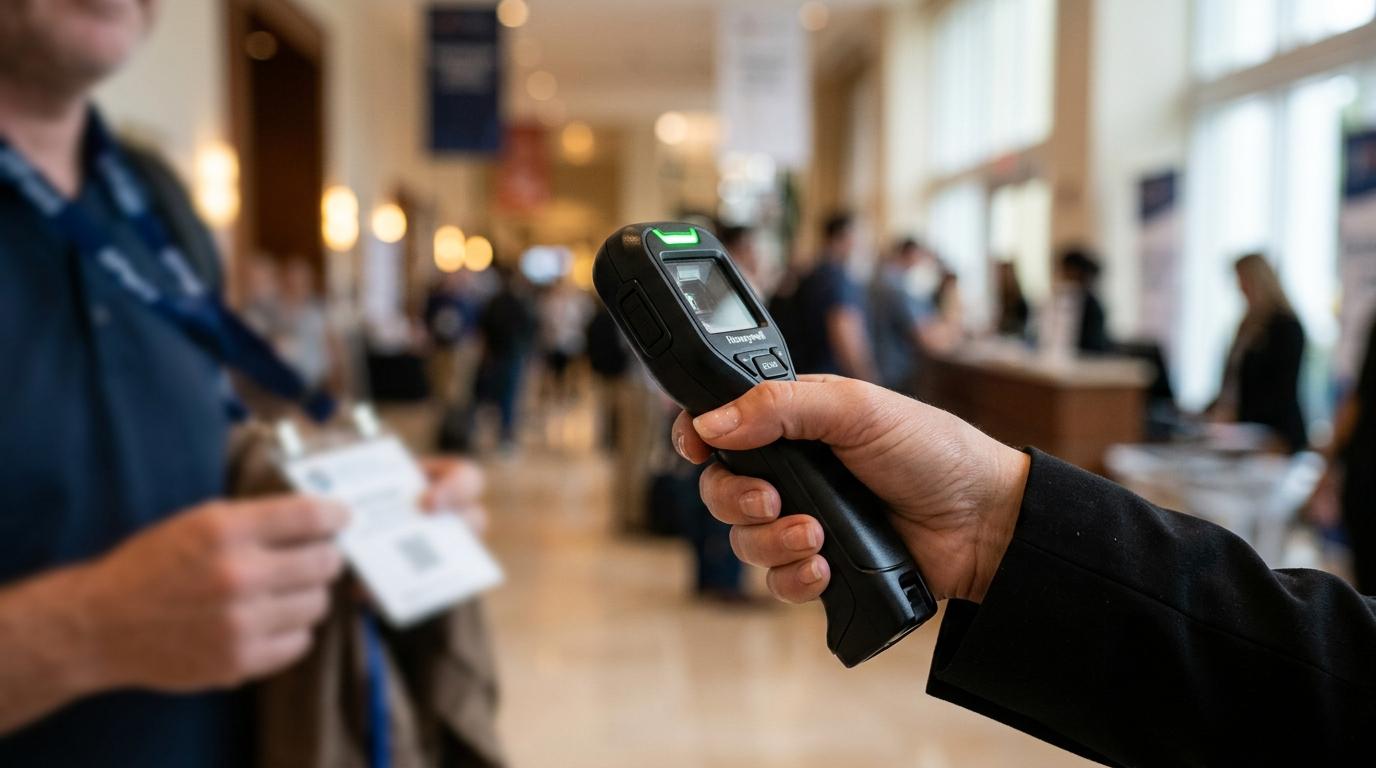
- Guests are welcomed, known, and comfortable within minutes
Seating Strategy
- Not random
- Not by department
- Intentionally curated to spark the right conversations
Content Flow
- Not just speakers talking at people
- Moments designed for reflection, discussion, and even healthy conflict
Energy Management
- High-focus sessions when attention is strongest
- Movement and reset moments when energy dips
Closing the Loop
- The event doesn’t just end
- It reinforces decisions, commitments, and next steps
None of this happens by accident.
The Difference
Here’s the simplest way to say it:
- Bad events are assembled
- Good events are organized
- Great events are intentionally designed
Why This Matters More Than Ever
Today’s audiences are sharper. Busier. Harder to impress.
They don’t just want to attend something—they want to feel:
- Seen
- Engaged
- Impacted
And organizations don’t just want events.
They want:
- Alignment
- Decisions
- Momentum
–>That only happens through design.
Final Thought
The next time you’re planning an event, ask yourself:
Are we building a schedule… or are we engineering an outcome?
Because the difference between the two?
That’s where the magic—and the ROI—lives.
Leave a comment