


Miami Conference Planning Services
Miami is built for conferences that need energy, polish, and a strong sense of place. For companies bringing together leaders, clients, teams, or partners, the city offers far more than warm weather and waterfront views. It offers momentum. A well-planned conference in Miami can feel sharper, more memorable, and more connected to brand identity than a standard ballroom event in a conventional market.
That opportunity only pays off when strategy, logistics, and production are managed at a high level. Executive conferences, incentive-led meetings, leadership summits, and branded corporate gatherings all demand disciplined planning, confident local knowledge, and a guest experience that feels intentional from arrival through departure.
Miami conference planning for high-impact corporate events
Conference planning in Miami requires more than booking meeting space and coordinating a room block. The strongest programs are designed around business outcomes first, then shaped into an experience that suits the audience, message, and destination. That may mean a leadership conference with refined executive hospitality, a sales meeting with strong stage design and content pacing, or a multi-day corporate program that blends education, networking, and premium off-site experiences.
Experience Epic Events supports conferences from concept through on-site execution, with a planning model built around exploration, projection, implementation, and follow-through. That structure keeps creative thinking tied to practical execution, which is especially valuable in a market like Miami where venue selection, transportation timing, production schedules, and guest flow all need careful coordination.
This level of service is well suited to:
- Executive retreats
- Leadership summits
- Sales conferences
- Incentive meetings
- Brand-forward corporate gatherings
Miami conference venue sourcing and site selection
Venue choice shapes everything. In Miami, that decision can define not only the visual atmosphere, but also transportation complexity, sound restrictions, attendee convenience, and the overall tone of the conference.
Some organizations need a polished resort environment with guest rooms, meeting space, dining, and recreation under one roof. Others want a modern urban setting near cultural districts, private dining venues, and nightlife. Some conferences benefit from a sleek waterfront property on Biscayne Bay, while others need a more private, controlled environment for executive conversations and high-level content.
Venue sourcing typically includes evaluating the full event ecosystem, not simply the rental rate. A strong planning process looks at:
- Capacity needs: General session, breakout rooms, registration footprint, VIP areas, and dining flow
- Technical fit: Rigging, power, acoustics, screen placement, and audiovisual access
- Guest experience: Airport proximity, neighborhood feel, walkability, and hospitality standards
- Brand alignment: Whether the property matches the tone of the company and the purpose of the event
- Contract protection: Terms, concessions, attrition language, cancellation exposure, and service commitments
For leadership teams and enterprise brands, that last point matters. Miami is a premium market, and contracts should be reviewed with care. Strong conference planning protects the event experience while also managing financial exposure.
Full-service Miami conference planning support
A full-service planning partner brings structure to a process that can otherwise become fragmented. Instead of juggling venue contacts, décor teams, AV providers, transportation schedules, staffing agencies, and catering decisions across multiple threads, decision-makers work from a unified strategy and a single planning rhythm.
That support often covers:
| Planning Area | What It Includes | Why It Matters |
|---|---|---|
| Event strategy | Goals, audience profile, experience design, planning roadmap | Keeps the conference tied to measurable outcomes |
| Venue management | Sourcing, site visits, contract review, layout planning | Prevents costly mismatches and operational issues |
| Vendor coordination | AV, staging, décor, catering, staffing, entertainment, transport | Creates a tightly managed production environment |
| Budget oversight | Detailed estimates, scope tracking, revision management | Supports stronger financial control |
| On-site execution | Registration, cueing, logistics, troubleshooting, VIP management | Protects the attendee experience in real time |
| Follow-through | Reconciliation, debrief, wrap-up tasks, next-step insights | Extends value beyond the event dates |
For some clients, this is a fully outsourced planning model. For others, it functions more like a high-touch fractional planner partnership, giving internal marketing, HR, operations, or executive teams senior-level support without adding internal strain.
Miami conference production and vendor coordination
Production quality is often what separates a standard conference from one that feels substantial, modern, and worth attending in person.
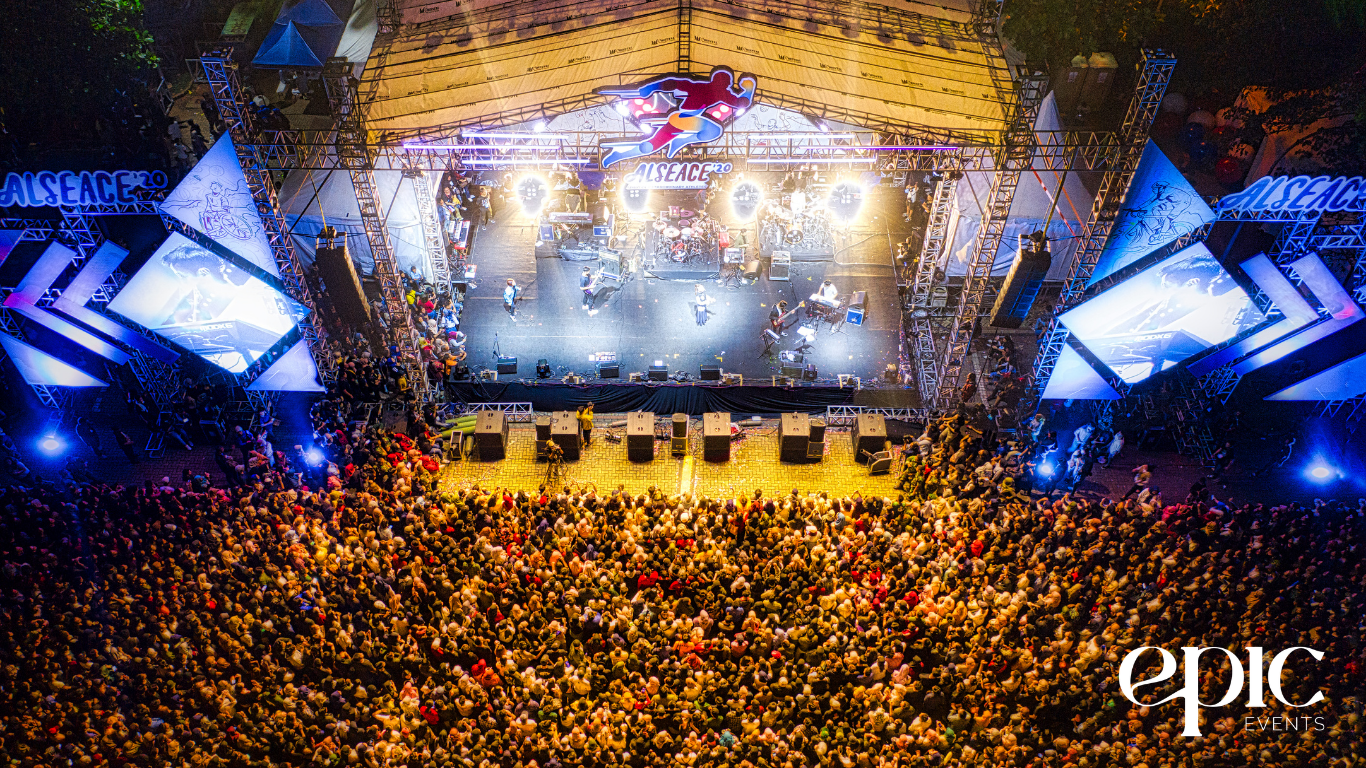
In Miami, expectations are high. Guests are used to style, hospitality, and strong visual environments. A conference should meet that standard without losing clarity or professionalism. Stage design, lighting, scenic elements, branded moments, content transitions, and entertainment all need to feel intentional rather than excessive.
That only happens when vendor management is disciplined. A planning team with established South Florida relationships can source and coordinate the right mix of partners across production, floral, printing, staffing, security, transportation, and specialty services. More importantly, they can keep those partners working from one schedule and one event vision.
A strong vendor coordination model usually includes:
- Creative direction: Turning conference goals into a visual and experiential plan
- Timeline control: Managing install windows, rehearsals, show flow, and strike logistics
- Quality assurance: Reviewing proposals, checking deliverables, and confirming service standards
- Contingency planning: Building backup options for weather, transportation delays, or technical issues
That proactive approach matters in South Florida, where traffic patterns, weather shifts, venue access windows, and high-demand dates can all affect execution.
On-site Miami conference management and guest experience
The live event environment is where planning either proves itself or starts to show gaps.
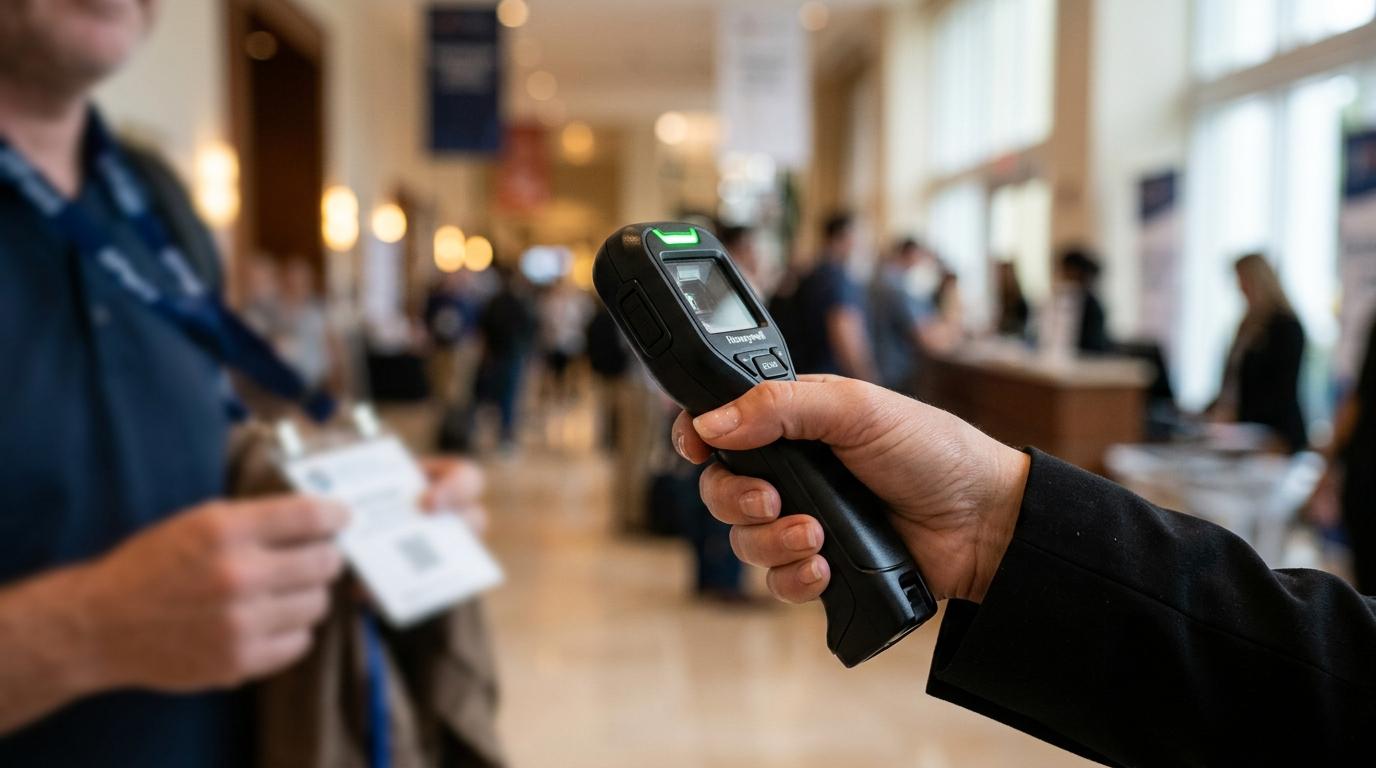
On-site conference management covers the visible details guests notice immediately, along with the invisible systems they never see but absolutely feel. Registration should move quickly. Session rooms should open on time. Speaker transitions should feel polished. Transportation should arrive when promised. VIPs should never be left waiting for direction.
For executive and enterprise events, on-site staffing also needs the right tone. Teams should be polished, calm, responsive, and discreet. That level of presence supports both operational performance and brand perception.
In practice, on-site management may include registration oversight, backstage coordination, room resets, vendor supervision, speaker support, executive movement, hospitality gifting, off-site event logistics, and real-time problem solving. When handled well, internal stakeholders are free to focus on the audience, the content, and the business relationships the conference is meant to strengthen.
A Miami conference should feel effortless to attendees, even when the production behind it is highly complex.
Why Miami works for executive conferences and corporate meetings
Miami gives planners a rare combination of international access, luxury hospitality, and distinctive atmosphere. It works especially well for organizations that want their conference to feel important before the first session begins.
The city also supports a wide range of program styles. A company may host formal daytime meetings in a premium hotel, then shift into waterfront networking, private dining, cultural programming, or branded entertainment in the evening. That flexibility allows conference agendas to feel layered rather than repetitive.
For corporate groups, Miami offers several advantages:
- Direct air access for domestic and international attendees
- High-end hotel inventory
- Strong culinary and nightlife options
- Distinct neighborhoods and visual identity
- Memorable settings for client entertainment and networking
That said, Miami is not a plug-and-play market. Timing, neighborhood selection, guest movement, and contract strategy all matter. A conference in Brickell runs differently from one on Miami Beach. A program centered on privacy and executive focus needs a different venue strategy than a sales kickoff built around energy and celebration.
Conference planning process for Miami events
The most effective conference planning begins early, with clear priorities and decisive scope definition. A structured process reduces friction, sharpens budgeting, and allows creative ideas to be evaluated against practical realities.
A typical planning rhythm often looks like this:
- Clarify goals, audience, timing, and business priorities
- Build the conference concept, budget framework, and venue shortlist
- Confirm venue and key vendors, then finalize production and logistics plans
- Execute on-site operations and complete post-event wrap-up
Each stage benefits from senior oversight. Miami conferences can move quickly from exciting to overly complicated if decisions are made out of sequence or without enough local insight.
Post-event conference follow-through and planning continuity
A refined conference service does not stop when the last guest departs. Wrap-up matters, especially for organizations managing multiple stakeholders, expense review, and future program planning.
Post-event support may include invoice reconciliation, vendor closeout, internal debriefs, feedback collection, and documentation of lessons for future conferences. This is also where teams can assess whether the event delivered on attendance goals, executive engagement, sponsor visibility, or broader business objectives.
For companies running annual meetings, rotating leadership summits, or multi-city conference programs, that continuity is valuable. It turns one successful Miami event into a stronger planning foundation for what comes next.
Leave a comment