


Create Effective Event Timetables and Schedules: Professional Planning for Seamless Event Execution
By Sarah Forbes Martin, Experience Epic Events
Creating effective event timetables and schedules is crucial for ensuring that events run smoothly and meet their objectives. A well-structured timetable not only outlines the sequence of activities but also helps in coordinating various aspects of event management, from vendor coordination to task delegation. This article will delve into the essential components of effective event scheduling, including defining clear goals, creating detailed timelines, and utilizing technology to enhance efficiency. By addressing common challenges in event planning, we aim to provide actionable insights that can lead to successful event execution.
How to Create Effective Event Timetables and Schedules
Establishing clear goals is the foundation of effective event planning. It involves identifying specific objectives that the event aims to achieve, such as increasing brand awareness, generating leads, or fostering community engagement. By clarifying the desired outcomes, event planners can tailor their strategies to meet these goals effectively. This clarity not only guides the planning process but also helps in measuring the event’s success post-execution.
Experience Epic, LLC specializes in providing comprehensive event planning services tailored to businesses and organizations. Their expertise in creating effective event timetables and schedules ensures that all aspects of the event align with the defined goals, leading to a more cohesive and successful execution.
Detailed Timeline
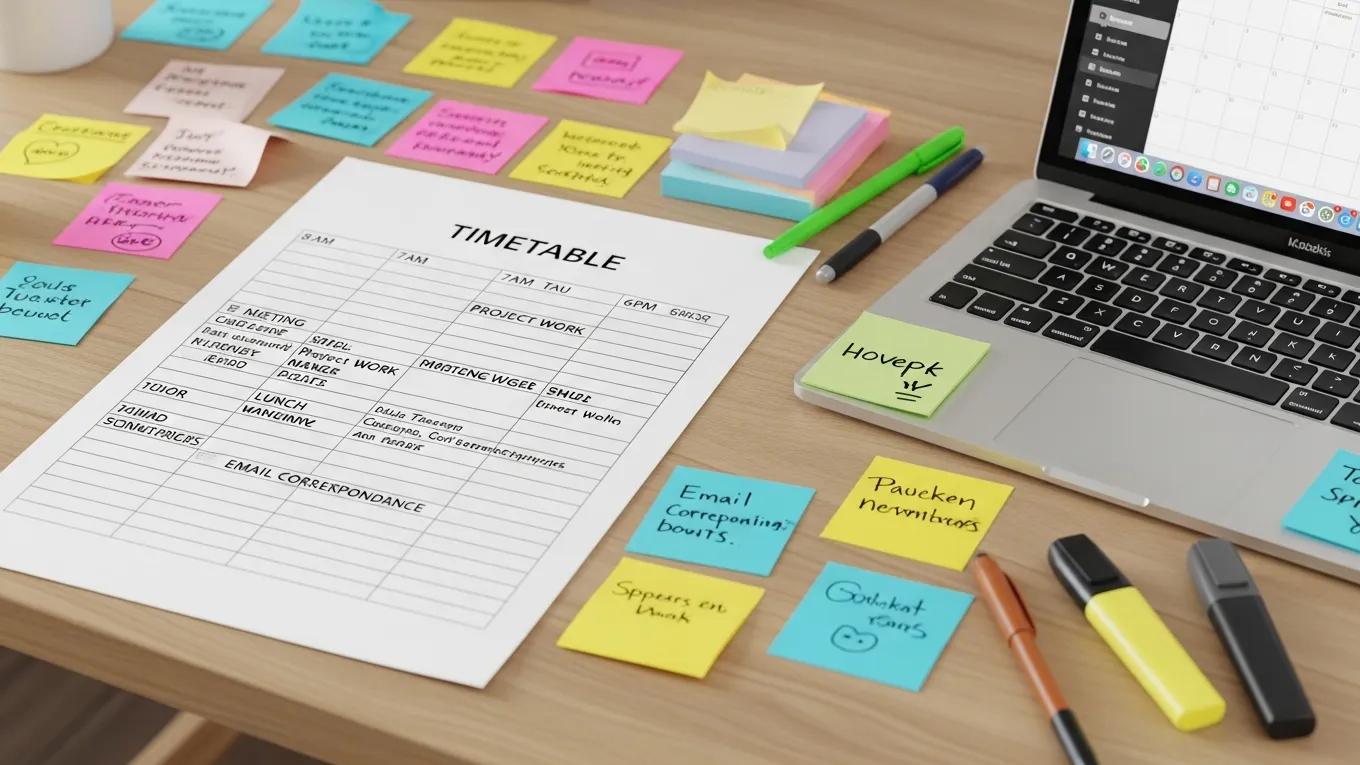
Creating a detailed timeline is essential for outlining all tasks and deadlines associated with the event. This timeline should include key milestones for coordination and assign responsibilities to team members. A well-structured timeline allows for better tracking of progress and ensures that all elements of the event are completed on time.
Incorporating professional event planning services can significantly enhance the quality of your timeline. Experience Epic, LLC offers detailed run of show documents and event timelines that facilitate seamless event execution, ensuring that no detail is overlooked.
Effective Communication

Maintaining clear communication among team members is vital for successful event execution. Establishing communication channels and regular updates ensures that everyone is aligned and aware of their responsibilities. This proactive approach minimizes misunderstandings and fosters a collaborative environment, which is essential for addressing any issues that may arise during the planning process.
Vendor Coordination
Engaging with vendors well in advance is crucial for securing the necessary services for your event. Setting clear expectations with vendors helps avoid last-minute issues and ensures that all parties are on the same page regarding their roles and responsibilities. Effective vendor coordination can significantly impact the overall success of the event.
Further emphasizing the importance of streamlined vendor interactions, research highlights how dedicated systems can significantly enhance coordination.
Improving Event Coordination with Supplier Management Systems
Event suppliers have reported notable reductions in administrative overhead, fewer instances of miscommunication, and improved overall event coordination.
Evaluating the Event Industry for a Web-Based Event Supplier Management System, R Encarnacion
Run-Throughs
Conducting thorough run-throughs of event logistics is an important step in the planning process. These rehearsals help identify potential issues and allow for adjustments to be made before the event day. Ensuring that all team members are familiar with the event flow contributes to a smoother execution and enhances the overall experience for attendees.
Delegate Tasks
Delegating responsibilities to team members is essential for reducing stress and improving efficiency. By sharing tasks, event planners can focus on critical aspects of the event while ensuring that all details are managed effectively. Clear task assignments help streamline the planning process and enhance team collaboration.
Utilize Technology
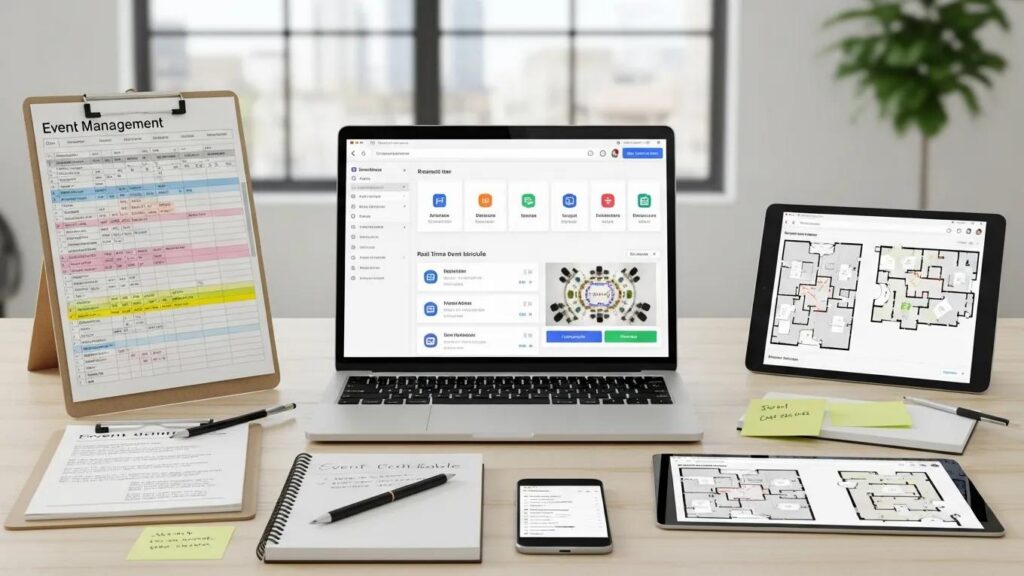
Incorporating technology into event management can greatly enhance efficiency and attendee engagement. Utilizing event management software can streamline registration, scheduling, and communication, making the planning process more organized. Technology also allows for real-time updates and adjustments, which can be crucial for adapting to any changes that may arise.
Indeed, the strategic adoption of specialized tools is consistently shown to boost operational effectiveness.
Enhancing Event Efficiency with Management Software
One way of doing this is by using event management software to provide a holistic service which allows for better efficiency in the event management sector.
The impact of event management software on the standards of practice within the event management sector in Cape Town, 2013
Moreover, the integration of advanced technologies like automation and AI offers even greater potential for optimizing event processes.
Automation & AI for Event Management Efficiency
In our contribution, we want to demonstrate how well-designed and optimized business processes allow automation and artificial intelligence to be used to manage events to increase productivity and reduce costs.
Impact of automation to event management efficiency, P Balco, 2019
Backup Plans
Preparing contingency plans for unexpected challenges is a critical aspect of event planning. By anticipating potential issues and having backup strategies in place, event planners can mitigate risks and ensure smooth execution. This proactive approach helps maintain the event’s integrity and enhances the overall experience for attendees.
Post-Event Evaluation
Gathering feedback after the event is essential for assessing what worked well and identifying areas for improvement. This evaluation process provides valuable insights that can inform future event planning efforts. Engaging with attendees and stakeholders to gather their perspectives can lead to enhanced strategies and better outcomes in subsequent events.
Budget Management
Managing expenses and budgeting for the event is a crucial component of successful event planning. Tracking expenses, prioritizing spending, and allocating contingency funds are essential practices that help ensure the event remains within budget. Effective budget management contributes to the overall success of the event and helps avoid financial pitfalls.
What is an Event Run Sheet and Why is it Essential?
An event run sheet is a detailed document that outlines the schedule and logistics of an event. It serves as a comprehensive guide for all team members, detailing the sequence of activities, task assignments, and important timelines. The run sheet is essential for ensuring that everyone involved in the event is aware of their responsibilities and the overall flow of the event.
Key Components of a Comprehensive Event Run Sheet
A comprehensive event run sheet includes several key components that are vital for successful event execution:
| Component | Description | Importance |
|---|---|---|
| Event Overview | A summary of the event’s purpose and goals | Provides context for all team members |
| Timeline Details | Specific times for each activity and task | Ensures timely execution of all elements |
| Vendor Information | Contact details and responsibilities of all vendors | Facilitates effective communication and coordination |
This structured approach to creating an event run sheet ensures that all aspects of the event are covered, leading to a more organized and successful execution.
How to Use Event Schedule Templates for Efficient Planning?
Utilizing event schedule templates can significantly enhance the efficiency of the planning process. These templates provide a structured framework that can be customized to fit the specific needs of your event. By using templates, planners can save time and ensure that all necessary components are included in the schedule.
Customizing Event Schedule Templates to Fit Your Event Needs
Customizing event schedule templates involves adjusting timelines, incorporating specific details, and ensuring relevance to the event’s objectives. This tailored approach allows planners to create a schedule that aligns with their unique goals and enhances the overall planning process.
Where to Find Reliable Event Schedule Templates
Reliable event schedule templates can be found through various online resources, including event planning websites, template providers, and community-shared platforms. These resources offer a range of templates that can be adapted to suit different types of events, making it easier for planners to find the right fit for their needs.
What are Best Practices for Developing an Event Planning Timeline?
Developing an effective event planning timeline involves following best practices that ensure all aspects of the event are accounted for. This includes defining goals, drafting the timeline, and engaging stakeholders throughout the planning process.
Step-by-Step Guide to Creating a Detailed Event Planning Timeline
- Define Goals: Clearly outline the objectives of the event to guide the planning process.
- Draft the Timeline: Create a comprehensive timeline that includes all tasks and deadlines.
- Engage Stakeholders: Involve key stakeholders in the planning process to ensure alignment and support.
Incorporating Conference Agenda Planning into Your Timeline
Integrating conference agendas into the event timeline involves defining conference goals, creating a draft agenda, and engaging speakers to ensure a cohesive flow of activities. This structured approach enhances the overall experience for attendees and contributes to the event’s success.
How to Prepare an Effective Event Day Checklist for Smooth Execution?
Creating an event day checklist is essential for ensuring that all tasks are completed on the day of the event. This checklist should include essential tasks, coordination of responsibilities, and monitoring the schedule to ensure everything runs smoothly.
Essential Tasks to Include in Your Event Day Checklist
An effective event day checklist should encompass the following essential tasks:
- Setup Times: Ensure that all equipment and materials are set up before the event begins.
- Equipment Checks: Verify that all technical equipment is functioning properly.
- Registration Management: Ensure that the registration process runs smoothly for attendees.
Coordinating Responsibilities Using the Event Day Checklist
Assigning specific tasks and creating a detailed checklist helps ensure that all team members are aware of their responsibilities. Monitoring the schedule throughout the event day is crucial for maintaining the flow of activities and addressing any issues that may arise.


Leave a comment