



Comprehensive Guide to Planning Accessible and Inclusive Events with ADA Compliance
By Sarah Forbes Martin, Experience Epic Events
Planning accessible and inclusive events is essential for ensuring that all attendees can participate fully, regardless of their abilities. This guide will provide you with a comprehensive understanding of how to incorporate ADA compliance into your event planning process. You will learn about the importance of accessibility, best practices for creating inclusive environments, and specific accommodations that can enhance the experience for all participants. Many event planners struggle with ensuring that their events meet the diverse needs of attendees, but by following the guidelines outlined here, you can create an environment that is welcoming and accessible to everyone. This article will cover ADA compliance, best practices for accessibility, how to select accessible venues, and essential disability accommodations.
How to Plan ADA-Compliant Accessible and Inclusive Events
ADA compliance refers to the adherence to the Americans with Disabilities Act, which mandates that public spaces be accessible to individuals with disabilities. This compliance is crucial for event planners as it not only ensures legal adherence but also promotes inclusivity. Understanding the key requirements of ADA compliance helps in creating events that are accessible to all. Event planners must consider various aspects, including physical accessibility, communication methods, and the provision of necessary accommodations.
Best Practices for Accessibility
Implementing best practices for accessibility is vital for creating inclusive events. Here are some strategies to consider:
- Physical Accessibility: Ensure that venues are wheelchair accessible, with ramps, elevators, and accessible restrooms.
- Assistive Technologies: Utilize technologies such as hearing loops and captioning services to support attendees with hearing impairments.
- Feedback Mechanisms: Establish channels for attendees to provide feedback on accessibility, allowing for continuous improvement.
Experience Epic, LLC specializes in providing event planning services that prioritize accessibility, ensuring that your events meet all necessary standards while creating a welcoming atmosphere.
Creating an Inclusive Environment
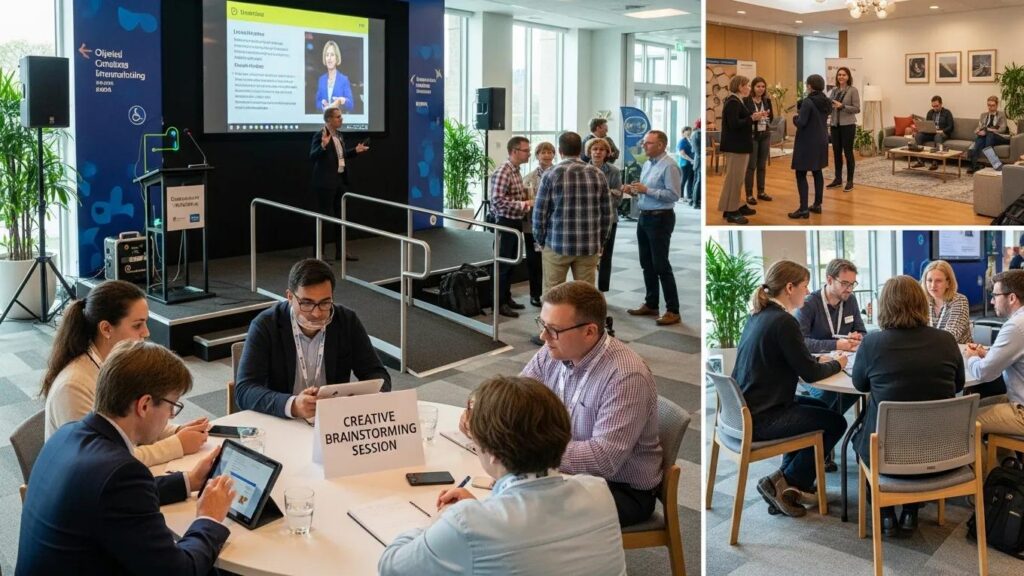
Fostering an inclusive environment at events involves more than just meeting physical accessibility requirements. It requires a commitment to diversity and engagement. Here are some key elements to consider:
- Diverse Programming: Offer a variety of activities that cater to different interests and abilities, ensuring that all attendees feel represented.
- Engagement Opportunities: Create spaces for interaction and networking, allowing attendees to connect and share experiences.
- Personalization Strategies: Tailor experiences to meet the unique needs of attendees, enhancing their overall experience.
Entity | Attribute | Value
| Feature | Description | Importance |
|---|---|---|
| Diverse Programming | Variety of activities for different interests | Enhances engagement |
| Engagement Opportunities | Spaces for networking and interaction | Fosters community |
| Personalization Strategies | Tailored experiences for attendees | Increases satisfaction |
This table illustrates the various aspects of creating an inclusive environment and their significance in enhancing attendee experience.
Additional Tips
When planning accessible events, consider these additional tips:
- Early Planning: Start planning well in advance to ensure all accessibility needs are met.
- Staff Training: Train staff on accessibility protocols to assist attendees effectively.
- Post-Event Evaluation: Gather feedback after the event to identify areas for improvement.
What Are the Essential ADA Compliance Requirements for Events?
Understanding ADA compliance requirements is crucial for event planners. These requirements ensure that events are accessible to individuals with disabilities, promoting inclusivity and legal adherence. Key regulations include:
- Physical Access: Venues must be accessible, with appropriate signage and pathways.
- Communication Access: Information must be available in accessible formats, such as braille or large print.
- Service Animals: Policies must accommodate service animals, allowing them to accompany their handlers.
Understanding ADA Regulations and Their Impact on Event Planning
ADA regulations significantly impact event planning by establishing standards for accessibility. Planners must be aware of the specific requirements that apply to their events, including the need for accessible seating, restrooms, and pathways. Non-compliance can lead to legal repercussions and alienate potential attendees.
Key Legal Considerations for Ensuring Event Accessibility
Event planners must navigate various legal considerations to ensure compliance with ADA regulations. This includes understanding the legal obligations for providing accommodations and the potential consequences of failing to meet these standards. Best practices involve consulting legal experts and staying updated on changes in legislation.
How to Select Accessible Venues for Inclusive Events
Choosing the right venue is critical for ensuring accessibility. Here are some criteria to consider:
- Physical Accessibility Criteria: Evaluate the venue’s layout, including entrances, exits, and restroom facilities.
- Transportation Ease: Consider the availability of public transportation and parking options for attendees with disabilities.
- Venue Features to Consider: Look for venues that offer assistive technologies and have staff trained in accessibility.
Evaluating Venue Accessibility Features and Amenities
When assessing venue accessibility, consider the following features:
- Entrances and Exits: Ensure that all entrances and exits are accessible to individuals with mobility impairments.
- Restroom Facilities: Verify that restrooms are equipped with accessible stalls and features.
- Seating Arrangements: Check that seating is flexible and can accommodate wheelchairs and other mobility devices.
Creating an Accessible Venue Checklist for Event Planners
An accessible venue checklist can help planners ensure that all necessary features are in place. Key items to include are:
- Accessibility Features: Confirm the presence of ramps, elevators, and accessible restrooms.
- Assistive Technologies: Ensure that the venue provides necessary technologies for attendees with disabilities.
- Emergency Procedures: Review emergency plans to ensure they accommodate individuals with disabilities.
What Disability Accommodations Should Be Implemented at Events?
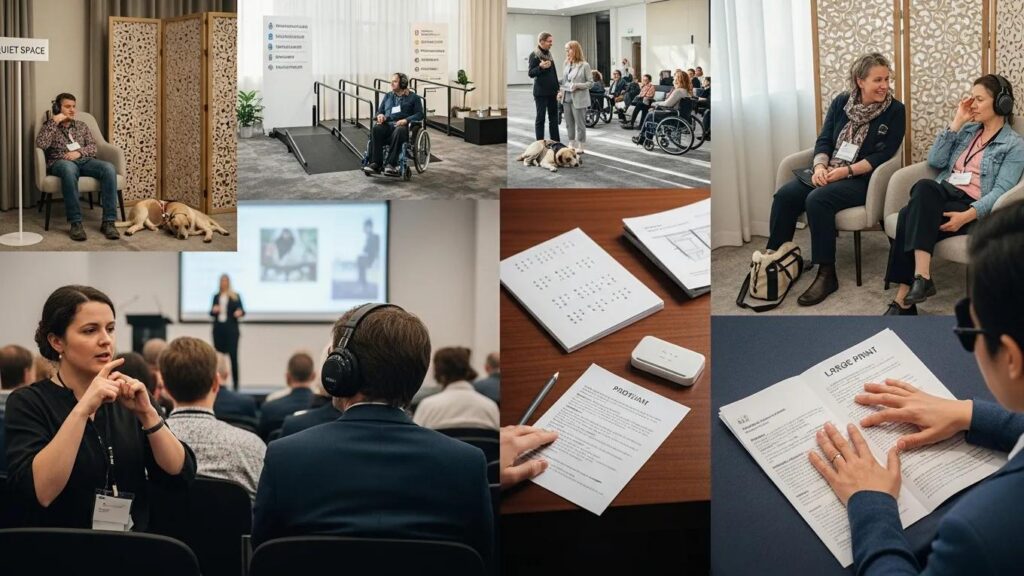
Implementing appropriate disability accommodations is essential for creating an inclusive event experience. Common accommodations include:
- Sign Language Interpreters: Providing interpreters for attendees who are deaf or hard of hearing.
- Braille Materials: Offering event materials in braille for attendees with visual impairments.
- Quiet Spaces: Designating areas for individuals who may need a break from sensory overload.
Common Disability Accommodations for Diverse Attendee Needs
Understanding the diverse needs of attendees is crucial for providing effective accommodations. Some common accommodations include:
- Sign Language Interpreters: Essential for communication with attendees who are deaf or hard of hearing.
- Assistive Listening Devices: Help individuals with hearing impairments participate fully in presentations.
- Visual Aids: Use of large print materials and visual displays to assist attendees with visual impairments.
Incorporating Assistive Technologies to Enhance Accessibility
Assistive technologies play a vital role in enhancing accessibility at events. Examples include:
- Hearing Loops: Improve sound quality for individuals using hearing aids.
- Captioning Services: Provide real-time captions for presentations and discussions.
- Mobile Apps: Offer features such as navigation assistance and event information in accessible formats.
Further research emphasizes the critical role of technology in creating universally accessible events.
Leveraging Technology for Accessible & Inclusive Events
In the evolving landscape of meeting and event management, ensuring accessibility and inclusivity is paramount. This literature review delves into the technological advancements in creating universally accessible events. From assistive listening devices to augmented reality for sensory enhancement, we dissect various tools and methodologies. By analyzing a spectrum of scholarly articles, case studies, and real-world applications, the review underscores the transformative power of technology in removing barriers and fostering inclusivity. The findings advocate for proactive adoption of these technologies, reiterating that inclusivity in meeting and event design is not just ethical but imperative today.
Empowering Inclusivity: Leveraging Technology for Designing Accessible Events, S Singh, 2024
Which Inclusive Event Planning Tips Ensure a Welcoming Experience for All?
Creating a welcoming experience for all attendees involves implementing inclusive event planning tips. Here are some strategies to consider:
- Universal Design Principles: Apply principles of universal design to ensure that all aspects of the event are accessible.
- Effective Communication Strategies: Use clear and inclusive language in all event materials and communications.
- Diverse Representation: Ensure that speakers and presenters reflect the diversity of the audience.
Designing Events with Universal Design Principles
Universal design principles focus on creating environments that are usable by all individuals, regardless of their abilities. Key principles include:
- Equitable Use: Design should be useful and marketable to people with diverse abilities.
- Flexibility in Use: Accommodate a wide range of individual preferences and abilities.
- Simple and Intuitive Use: Make the design easy to understand, regardless of the user’s experience.
Effective Communication Strategies for Inclusive Event Marketing
Inclusive marketing strategies are essential for reaching diverse audiences. Consider the following approaches:
- Clear Messaging: Use straightforward language that is easy to understand.
- Visual Representation: Include images and graphics that reflect the diversity of the audience.
- Accessible Formats: Provide event information in multiple formats, such as braille, large print, and digital formats.

Leave a comment