


Best Retreat Venues for Leadership Teams
Leadership retreats give senior teams protected space to make sharper decisions, repair trust, and reset direction away from daily operating noise. The venue has an outsized effect because the wrong property adds travel fatigue, weak confidentiality, and avoidable distraction to a high-stakes gathering. The right setting solves a practical problem: it creates the conditions for candid discussion, focused work, and executive-grade restoration at the same time. For companies investing real budget and leadership attention, venue selection is a strategic choice, not a hospitality detail.
What makes a leadership retreat venue effective for executive teams?
The best leadership retreat venues combine privacy, executive comfort, and decision-ready infrastructure. Four Seasons Hualalai and The Lodge at Blue Sky succeed because they support confidential meetings, strong service, and true mental reset, not just attractive scenery.
A strong leadership retreat venue does three jobs at once. It reduces friction, protects confidentiality, and shapes the emotional tone of the retreat. Senior teams do not need endless activity menus. They need a property where arrival is smooth, meeting rooms are quiet, meals are reliable, and informal conversation can continue naturally after the formal agenda ends.
A common misconception is that “luxury” alone makes a venue effective. It does not. A stunning resort with thin walls, public foot traffic near meeting space, or slow internet can weaken the retreat. If the team will discuss M&A, restructuring, succession, or sensitive people issues, then privacy and room control matter more than spectacle.
The most effective venues usually perform well in five areas after site review:
- Access: Within 60 to 90 minutes of a major airport for most domestic groups
- Privacy: Buyout options, private wings, controlled dining, discreet staff
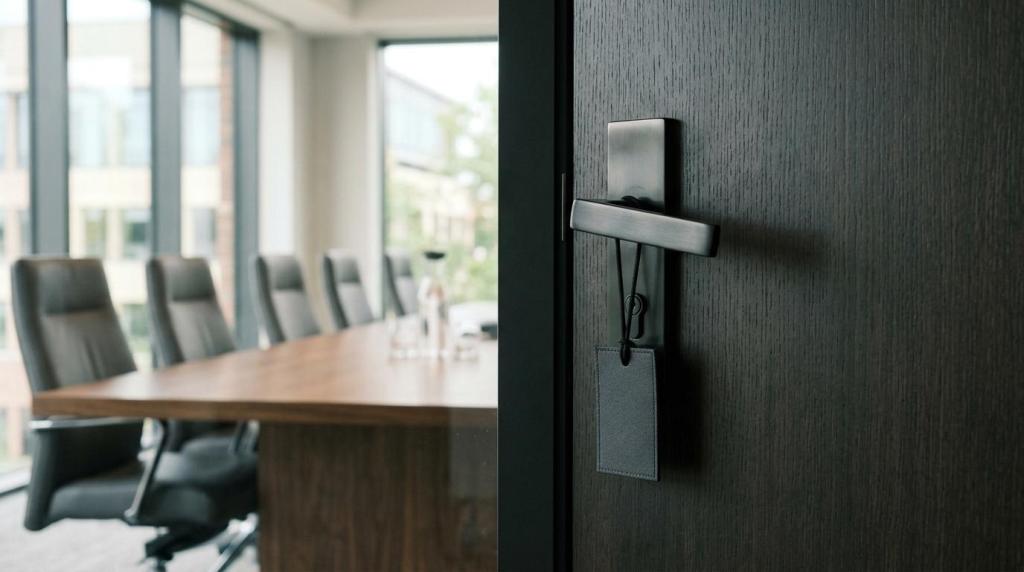
- Meeting support: Boardroom quality, natural light, AV reliability, strong acoustics
- Restorative value: Spa, trails, beach, wellness, or quiet outdoor space
- Service model: Fast response times and staff used to senior-level expectations
Matching Retreat Venues to Team Size, Objectives & Duration
The right venue depends on the work plan first, then the guest count. Carmel Valley Ranch and Hollyhock can both host leadership retreats well, but they suit very different agendas, comfort expectations, and social dynamics.
Step 1 is to define the retreat outcome in plain language. Is the team setting a three-year strategy, repairing executive trust, integrating after an acquisition, or recognizing top leadership talent? If the goal is strategic planning, then quiet boardroom time and privacy take priority. If the goal is renewal plus culture, then outdoor programming and informal gathering spaces move up the list.
Step 2 is to match the venue footprint to the group size. A leadership team of 8 to 16 often performs best in a boutique lodge, villa buyout, or small luxury resort wing. A group of 20 to 50 usually needs a midsize resort with one main boardroom and two to four nearby breakout spaces. Once you get past 50, a conference-forward property or large resort becomes more practical.
Step 3 is to fit the stay length to the setting. Two-day retreats work best near major airports with compact campuses. Three- to four-day retreats benefit from more breathing room, stronger recreation, and higher room quality. Pro tip: an oversized resort can make a small leadership group feel scattered and less cohesive, even when the property is beautiful.
What are the best leadership retreat venue options for senior teams?
The strongest options pair executive-grade hospitality with privacy and program flexibility. Experience Epic Events, The Lodge at Blue Sky, and Four Seasons Hualalai stand out for different reasons, depending on destination, group profile, and retreat objectives.
If your team is sourcing in South Florida or weighing several destination options, it helps to look beyond the usual hotel shortlist. Some leadership retreats need a standout property. Others need a planning partner that can secure the right venue, structure the program, and protect the budget and contract terms from the start.
- Experience Epic Events: Best for Palm Beach and South Florida leadership retreats where venue sourcing, local access, contract strategy, and on-site execution matter as much as the property itself. For executive teams comparing oceanfront resorts, private estates, and high-touch buyouts, a boutique DMC can outperform a generic search.
- The Lodge at Blue Sky, Utah: Best for private strategy retreats needing serious seclusion, luxury ranch aesthetics, and reliable boardroom infrastructure. Its 3,500-acre setting is especially strong for confidential C-suite work.
- The Ranch at Rock Creek, Montana: Best for all-inclusive leadership retreats that mix strategic sessions with structured team-building. Its 6,600-acre footprint, strong service, and built-in activities reduce planning complexity.
- The Sanctuary Beach Resort, California: Best for smaller executive teams that want an oceanfront setting without losing intimacy. The beachfront cottages and focused meeting environment suit 2- to 3-day offsites well.
- Carmel Valley Ranch, California: Best for leadership teams that want wine country energy, polished service, and approachable luxury. It works particularly well for creative or cross-functional leadership groups.
- Four Seasons Resort Hualalai, Hawaii: Best for global or high-performing senior teams where reward, privacy, and infrastructure must coexist. It is a strong fit for 30 to 100 attendees with villa-based privacy.
How should you evaluate accessibility, privacy, and travel friction before shortlisting a leadership retreat venue?
Start with travel math, not mood boards. Miami International Airport and Monterey Regional Airport create very different arrival experiences, and that difference affects attendance, energy, and how quickly the room is ready for serious discussion.
Step 1 is to map where attendees are flying from. If most guests come from New York, Chicago, and Dallas, then direct-flight access should carry more weight than remote charm. If half the group is international, then customs timing, premium airlift, and airport transfer quality need close review.
Step 2 is to verify actual privacy, not brochure privacy. Ask whether the venue can block a wing, reserve private dining, restrict outside access near meeting rooms, and assign discreet staff. “Secluded” often means scenic, not confidential.
Step 3 is to pressure-test the last mile. Ferry transfers, mountain roads, and island hops can be memorable, but they can also create cascading delays. If weather risk is real, then ask about backup routing, charter support, generators, and communication protocols. Pro tip: the final 45 minutes of travel often determine how calm or fragmented the first session feels.
Which leadership retreat venue is better: a luxury resort or a wilderness lodge?
Neither is better in every case. Four Seasons Hualalai is stronger for comfort-heavy global groups, while The Ranch at Rock Creek is stronger for deep reset, privacy, and immersive team bonding.
Luxury resorts work well when senior leaders need flawless service, premium rooms, strong dining, and a clear sense of reward. They are also easier for mixed groups where some attendees want high-touch wellness and others need traditional meeting support. Resort campuses tend to handle dietary complexity, VIP arrivals, and international expectations with less friction.
Wilderness lodges work best when the retreat needs real separation from daily patterns. A mountain or ranch setting can create stronger attention, fewer drop-ins from the outside world, and more honest conversation after hours. If the team is fatigued by hotels and boardrooms, then a remote setting can reset energy quickly.
The trade-off is predictability. Resorts usually offer smoother transport, broader room inventory, and stronger backup systems. Lodges often deliver better focus and emotional impact, but weather, transfer logistics, and limited room types require tighter planning. Common misconception: rugged settings are only for “adventure” teams. In practice, many board-level groups perform exceptionally well in refined wilderness properties when the service standard remains high.
How much meeting space, AV, and Wi-Fi should a leadership retreat venue provide?
Leadership retreats need less square footage than conferences, but higher quality per room. Offsite planning standards often point to at least 100 Mbps internet, one primary boardroom, and 2 to 4 nearby breakout spaces for executive work.
The venue should support concentration, not just capacity. A beautiful room without sound isolation, easy screen sharing, or lighting control becomes a problem within the first hour. If hybrid participation is required, then the venue must provide stable bandwidth, camera-ready sightlines, and technical support on standby.
Use this as a practical benchmark when reviewing proposals:
- Main meeting room: 350 to 450+ square feet, natural light, controllable temperature, strong acoustics
- Breakout rooms: 2 to 4 nearby spaces for private sidebars, coaching, or committee work
- Internet: 100 Mbps or better as a baseline, with tested speeds in guest rooms too
- AV support: Built-in screens, microphones, conferencing support, and a live technician during key sessions
- Power resilience: Backup power or generator capacity in remote locations
Pro tip: ask to test the guest-room Wi-Fi, not just the ballroom network. Leaders often review decks, join calls, or handle confidential work from their rooms early in the morning and late at night.
How do you build a three-day leadership retreat agenda around the venue?
The best agendas follow the energy of the property. Blue Sky and Sanctuary Beach both support three-day retreats well, but the pacing should differ based on travel, climate, and how the venue encourages conversation.
Step 1 is to protect arrival day. Keep the first afternoon light, with one framing session, a strong welcome experience, and private time before dinner. A heavy workshop block right after flights usually lowers candor and retention.
Step 2 is to put the hardest strategic work on day two. That is the moment for scenario planning, budget debates, succession conversations, or leadership reset work. If the venue offers nearby breakout lounges or outdoor terraces, then use them for smaller problem-solving sessions between plenary blocks.
Step 3 is to make day three short, decisive, and action-focused. Close with ownership, timelines, and next-quarter commitments before departure. Common misconception: more content equals more value. In reality, leaders need white space. If every hour is programmed, then the most useful informal conversations never happen.
Is an all-inclusive leadership retreat venue better than à la carte pricing?
All-inclusive is better for budget control and planning speed, while à la carte is better for customization. The Ranch at Rock Creek and many luxury resorts illustrate this trade-off clearly.
All-inclusive pricing gives finance teams cleaner forecasting. Lodging, meals, and activities are often bundled, which reduces surprise charges and makes approval easier. It can also simplify attendee experience because there are fewer on-site decisions and fewer service gaps.
À la carte pricing gives planners more control over room categories, dining moments, production, and activity design. That can be a major advantage for brand-sensitive leadership retreats or multinational groups with highly specific expectations. The downside is cost creep. AV minimums, resort fees, service charges, and premium transfers can add up quickly.
As a planning benchmark, modest meeting hotels may land around $250 to $400 per person per night, while luxury retreat properties often start around $500 to $800+, before premium production or buyout fees. If procurement needs cost certainty, then all-inclusive can be the stronger path. If the retreat is high-visibility and experience-led, then à la carte often delivers a sharper result.
What accommodation standards matter most at leadership retreat venues?
Senior leaders notice room quality immediately. Four Seasons Hualalai and Carmel Valley Ranch both show why sleep quality, quiet, and in-room work comfort matter as much as meeting space.
Single occupancy is usually the right standard for executive groups. It protects rest, privacy, and morning readiness. Room design also matters more than many teams expect. Quiet HVAC, blackout curtains, excellent mattresses, quality coffee, and an actual workspace can change how sharp the room feels on day two.
For leadership retreats, the most valuable room standards are often straightforward:
- Single-occupancy rooms or suites
- Quiet corridors and strong sound insulation
- In-room desk or table for private work
- Reliable Wi-Fi in both guest rooms and outdoor areas
- Premium bathrooms, robes, and wellness touches
- Easy access from rooms to meeting areas
If the venue uses villas, cottages, or clustered residences, confirm walking distances. A property can feel intimate on paper but function like a sprawl in practice. Pro tip: ask for a rooming map, not just a room count.
When should you use a destination management company to source leadership retreat venues?
Use a destination management company when the retreat is high-stakes, destination-led, or operationally complex. In Palm Beach, Miami, and Fort Lauderdale, a local DMC can secure better-fit venues, tighter contracts, and smoother execution than a venue-only approach.
This matters most when the retreat involves executive confidentiality, layered transportation, branded experiences, multiple venues, or international attendees. A destination management company looks beyond room blocks and meeting packages. It evaluates transfer flow, dining privacy, weather contingencies, local vendor quality, and where hidden costs tend to appear.
This is especially useful in markets like South Florida, where the venue mix spans luxury beachfront resorts, private clubs, estates, and high-energy urban properties. If your team needs a Palm Beach board retreat, a Miami leadership summit, or a South Florida incentive-style offsite with real strategic content, then local market knowledge can save time and reduce risk.
A good partner also helps with the less visible work: contract terms, concession strategy, staffing plans, and on-site decision-making. For many companies, that fractional planner model is the difference between booking a nice property and producing a retreat that actually moves the leadership team forward.

Leave a comment