


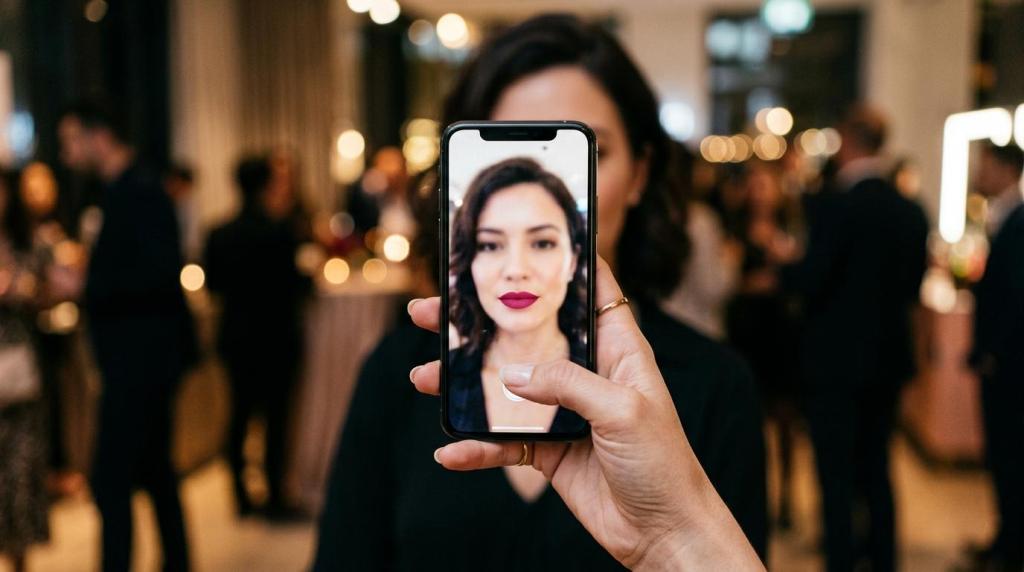
Top Brand Activation Ideas for Product Launches
Brand activations turn a product launch from an announcement into an experience people can feel, film, share, and remember. They solve a central launch problem: attention is easy to buy, but genuine engagement and product trial are much harder to earn. When done well, an activation connects story, audience, venue, technology, and measurement so a launch creates demand, not just noise. For companies introducing a new offer in competitive markets, that difference often determines whether a launch becomes a moment or a missed opportunity.
What is a brand activation for a product launch?
A brand activation is a live, digital, or hybrid experience designed to move people from awareness to action. Nike and Coca-Cola use activations to create trial, content, and first-party data, which traditional launch ads often fail to generate on their own.
At launch, the job of an activation is simple: make the product tangible. That can mean sampling a beverage, testing a device, stepping into a branded environment, or using AR to visualize a beauty or retail product in context. The format matters less than the outcome. If people interact, remember, and convert, the activation worked.
For premium brands, the activation also protects positioning. A generic event can dilute perception. A well-designed activation can signal innovation, scarcity, exclusivity, or lifestyle fit within minutes of arrival.
How should brand activation goals connect to launch KPIs?
Brand activation goals should map directly to one primary commercial outcome. Salesforce and HubSpot are useful benchmarks here: if the KPI cannot be captured in a system, it usually becomes hard to defend in budget reviews.
Step 1 is choosing the main action you want from the audience. That could be product trial, qualified leads, retail traffic, app downloads, investor confidence, or earned media. One activation can support several outcomes, but it should be built around one leading KPI.
Step 2 is matching that KPI to the experience design. If the goal is trial, then build sampling, demos, or try-ons into the core guest flow. If the goal is awareness, then the experience needs a visual signature that people will post without prompting. A common misconception is that impressions alone prove success. They do not. Impressions show visibility, not business value.
Step 3 is creating a clean data path. If guests scan a QR code, register through a form, redeem an offer, or join a waitlist, then the activation can be tied to measurable launch impact. If you skip that infrastructure, the room may feel full while the reporting remains thin.
What brand activation ideas are strongest for product launches?
The strongest product launch activations combine immersion, trial, and measurable follow-up. Snapchat and Dior are useful benchmarks because both turned novelty into action, not just attention.
The best concept depends on product category, target audience, and launch geography. A beauty launch needs different mechanics than a B2B software reveal or a luxury automotive preview. These activation types consistently perform well for premium launches:
- Experience Epic Events: Boutique destination activation strategy and production for brands that need executive-level planning, strong contract protection, polished guest journeys, and local destination expertise in South Florida and select markets.
- Experiential pop-up environments: Short-run branded spaces that create urgency, sampling, and media content. Snapchat’s Spectacles vending machine drew hundreds into line because scarcity and place were part of the story.
- AR sampling and try-on campaigns: Ideal when reach matters as much as physical attendance. Dior’s AR lipstick campaign drove 41% viewer engagement and more than 400,000 virtual try-ons in 21 days.
- VIP preview events for media and creators: Best when a product needs endorsement, close inspection, or high-trust storytelling before broad rollout.
- Gamified product trials: Quizzes, voting mechanics, unlockable rewards, and digital scavenger paths can increase dwell time and data capture.
- VR or simulation-led demos: Strong for travel, automotive, real estate, and technology where the product benefit is experiential or spatial.
- Mobile roadshow activations: Useful when launch audiences are spread across cities and retail partners need local traffic support.
A pro tip for senior teams: do not pick the most visually impressive idea first. Pick the idea that makes your product easiest to experience and your results easiest to measure.
How do you build a product launch activation strategy step by step?
A strong activation strategy starts with audience truth, then moves into narrative, then channel integration. Apple and Nike repeatedly show that people remember launches when the product story is clear before the spectacle begins.
Step 1 is defining the audience with precision. Go beyond age and title. Identify what they value, what objections they hold, what motivates trial, and where they already spend attention. An executive audience may respond to access, efficiency, and private preview moments. A consumer audience may respond to exclusivity, play, and social shareability.
Step 2 is building the launch story into the experience. Ask what the audience should believe by the time they leave. If the product stands for speed, the event should feel frictionless. If it stands for craftsmanship, every touchpoint should feel tactile and considered. Storytelling is not decoration. It is the operating system of the activation.
Step 3 is connecting the activation to the full launch calendar. In premium programs, that usually means teaser content before the event, live amplification during the event, and a conversion sequence after it. For most high-touch activations, 8 to 12 weeks of planning is a practical minimum, especially when venues, fabrication, travel, or permits are involved.
How do pop-up activations compare with AR and VR launch experiences?
Pop-ups win on physical immersion and product trial, while AR and VR win on scale and digital reach. Coca-Cola and Emirates show the trade-off clearly: one drives real-world sampling, the other extends product story beyond the venue.
A pop-up is stronger when touch, taste, fit, or material quality matters. It also supports hospitality, private meetings, and premium brand cues better than purely digital formats. The trade-off is cost, logistics, staffing, and location dependency.
AR and VR are stronger when your audience is distributed, your launch needs shareable novelty, or the product can be visualized convincingly on a screen or headset. AR often has the better business case because it uses devices people already own. VR can be powerful, but only when the experience truly adds context.
A common mistake is assuming tech automatically feels innovative. If the technology slows people down or distracts from the product, it weakens the launch. If your product is tactile, start with live experience and add digital layers after that.
How do you choose the right venue and guest journey step by step?
The right venue supports the product story, guest flow, and operational control. Miami and Palm Beach are strong examples because venue style, weather, traffic, and permitting can change the guest experience fast.
Step 1 is matching the venue to the product’s emotional promise. A waterfront arrival can support aspiration. A private estate or design-forward gallery can support exclusivity. A blank-canvas industrial space can support transformation. The venue should say something before the first speech begins.
Step 2 is mapping the guest journey in sequence: arrival, welcome, reveal, interaction, conversion, and departure. Premium activations work when every phase has a purpose. If guests cluster at registration or miss the product reveal because the room layout is unclear, the activation loses momentum.
Step 3 is pressure-testing operations. That includes valet, transportation, power, sound, Wi-Fi, accessibility, insurance, security, service timing, and weather contingency. Pro tip: in outdoor South Florida activations, a rain plan is not a backup idea. It is a core production requirement.
What is the difference between influencer-led activations and user-generated content campaigns?
Influencer-led activations buy trusted reach from specific voices, while UGC campaigns scale participation across the broader audience. Starbucks and Snapchat are useful benchmarks because each used creator behavior differently to drive launch visibility.
Influencer-led programs work best when the product needs explanation, cultural credibility, or access to a defined community. A creator can host, preview, demonstrate, or validate the product in a way a brand account rarely can. The trade-off is contract complexity, usage rights, and fit risk.
UGC-led campaigns work best when the activation itself is simple to capture and easy to join. Think branded moments, AR filters, voting mechanics, or challenge-based participation. You usually get wider volume but less message control.
A common misconception is that the biggest creator always produces the best result. Often, category fit and audience trust matter more than follower count. If the launch depends on education, choose subject-matter authority. If it depends on cultural momentum, build the room for many people to post.
How do you measure brand activation ROI step by step?
Brand activation ROI is measured by linking experience data to business outcomes. AnyRoad and MoZeus are common benchmarks in this space because they focus on conversion signals, not vanity metrics.
Step 1 is setting baseline numbers before the activation begins. That can include awareness, purchase intent, qualified pipeline, foot traffic, or sign-up volume. Without a baseline, lift is hard to prove.
Step 2 is capturing live engagement during the activation. Dwell time, demo completion, scan rates, content shares, and lead form completion all matter. Some event tech providers report that guests who spend four or more minutes actively engaged are materially more likely to convert than passersby.
Step 3 is tying post-event behavior back to the activation. If guests redeem a code, book a meeting, purchase within a defined window, or enter a nurture sequence, then ROI becomes visible in finance terms.
Useful metrics usually include:
- Attendance quality: invited guests, target-account presence, VIP attendance rate
- Engagement depth: dwell time, demo completion, QR scans, AR interactions
- Conversion actions: samples redeemed, meetings booked, sign-ups, sales
- Brand lift: pre- and post-event surveys on recall, favorability, purchase intent
- Efficiency: cost per lead, cost per qualified meeting, revenue influenced
One data point worth keeping in mind: interactive brand experiences have been associated with purchase-intent lift as high as 85% in some categories. That does not guarantee sales, but it shows why engagement depth matters more than crowd size.
What common brand activation mistakes reduce launch impact?
Most weak activations fail at strategy, not creativity. CES and Cannes activations prove this every year: the most photographed space is not always the one that drives the most qualified follow-up.
The biggest issue is building for aesthetics before business purpose. Beautiful environments matter, especially for premium brands, but they must support product story, guest movement, and data capture. Another frequent error is adding too many moving parts. More screens, more performers, and more tech do not always mean more impact.
After the event, these mistakes tend to show up most often:
- No clear success metric: the team cannot tell whether the launch drove awareness, trial, or pipeline
- Weak data capture: guests had a nice evening, but no usable first-party data entered the CRM
- Overbuilt technology: the experience looked advanced but slowed throughput and reduced interaction
- Underpowered staffing: not enough trained hosts, demo leads, or producer oversight on-site
- No contingency budget: a 10% to 15% reserve is standard for premium live programs with multiple vendors
A useful rule: if a touchpoint does not support story, service, or conversion, it probably does not belong in the run of show.
How do influencer-led activations compare with UGC campaigns?
A DMC or event agency is the right move when the launch includes destination logistics, executive stakeholders, or meaningful brand risk. Miami, Fort Lauderdale, and Palm Beach are classic examples because local sourcing, permits, transportation, and weather planning all affect execution.
If your in-house team has the strategy but not the local network, a destination partner can shorten sourcing time and reduce operational risk. If the program includes contract negotiation, complex guest movement, premium venues, fabrication, entertainment, or multi-day hospitality, outside leadership is usually worth the investment.
The trade-off is added planning cost, but that cost often protects against bigger losses in attrition, labor, vendor terms, timing failures, or guest experience gaps. For international teams or enterprise brands, that protection matters. A strong partner should not just book vendors. They should shape the activation, pressure-test the assumptions, and make sure every high-visibility moment is supported by sound operational choices.

Leave a comment