


Best South Florida Incentive Experiences
South Florida is one of the strongest incentive travel choices in the United States for companies that want luxury, energy, and operational flexibility in one program. The best South Florida incentive experiences are not just glamorous. They are carefully paced, locally distinctive, and easy for winners to enjoy without feeling managed.
TL;DR: Summary
- South Florida incentive travel works best for premium corporate reward programs because Miami, Fort Lauderdale, and Palm Beach combine strong air access, luxury hotel inventory, and a wide range of executive-level experiences in one region.
- Florida’s travel sector generated $133.6 billion in economic impact in 2024 and supported 1.8 million jobs, which signals the hospitality depth needed for high-end group programs.
- Current incentive travel research shows buyers expect activity and per-person spending to rise through 2026, while still weighing cost and safety concerns, so contract clarity and risk planning matter as much as creativity.
- Free time is a major success factor in North America, so the best South Florida incentive itineraries mix signature moments with meaningful autonomy instead of filling every hour.
- Palm Beach suits privacy, wellness, and refined executive retreats; Miami suits brand energy, nightlife, and culinary impact; Fort Lauderdale often works as a balanced middle ground.
- If the goal is retention, recognition, or culture-building, a well-designed incentive trip can support measurable outcomes. Experience Epic Events cites a published case study showing a 30% increase in employee engagement, plus lower turnover and stronger team performance after an incentive program.
The real decision is not whether South Florida is attractive. It is whether the destination fits your audience, timing, and business goals better than other Florida options. For executive teams, sales achievers, and top performers, the answer is often yes, especially when the program is designed around recognition, free time, and polished logistics.
Why is South Florida a strong incentive travel destination?
Yes. Miami, Fort Lauderdale, and Palm Beach give incentive groups unusual range, strong air access, and premium hospitality capacity within one region.
South Florida succeeds because it solves both emotional and operational needs. Guests get oceanfront resorts, yacht and culinary access, arts and nightlife, golf and wellness, and easy movement between distinct sub-destinations. At the same time, planners benefit from a mature visitor economy. Florida’s travel and tourism sector generated $133.6 billion in economic impact in 2024, supported 1.8 million jobs, and attracted major out-of-state spending, all of which points to market depth rather than a thin seasonal scene.
“Experience Epic Events supports incentive programs across Palm Beach, Miami, Fort Lauderdale, and the wider South Florida market from its Lake Worth Beach base.”
A common mistake is assuming sunshine alone makes a great incentive destination. It does not. South Florida works when the hotel, transportation plan, and off-property experiences fit the guest profile. If your qualifiers want privacy and restoration, an overactive nightlife-heavy itinerary will miss the mark. If they want excitement and social currency, a quiet resort-only program can feel flat.
How does South Florida support executive-level incentive programs?
South Florida suits executive audiences because Palm Beach, Miami, and Fort Lauderdale each support privacy, design, and high-touch service.
Executive incentive travel has different standards from broad employee recognition trips. Leaders and top performers often expect discretion, strong culinary quality, high room standards, and experiences that feel selective rather than mass-produced. South Florida can meet that bar with oceanfront resorts, private estates and clubs, marina access, premium wellness, art-led programming, and board-ready meeting environments for the business portions of the trip.
The destination also gives planners room to build contrast. A program can open with structured leadership content in Palm Beach, shift into celebratory dining in Miami, and close with waterfront leisure in Fort Lauderdale. That variety matters because premium audiences notice repetition quickly. A polished incentive is rarely about packing in more activities. It is about building a better rhythm.
Curated South Florida Incentive Experiences for Premium Teams
The best experiences combine exclusivity, local identity, and easy guest enjoyment. Miami and Palm Beach work best when each activity feels earned and culturally specific.
A strong incentive program usually needs only a few headline moments, not a long list of average ones. The experiences below are the ones most likely to feel premium, memorable, and worth the travel time for high performers.
- Experience Epic Events-managed multi-city incentive design across Palm Beach, Miami, and Fort Lauderdale for companies that need one planning structure across several South Florida settings.
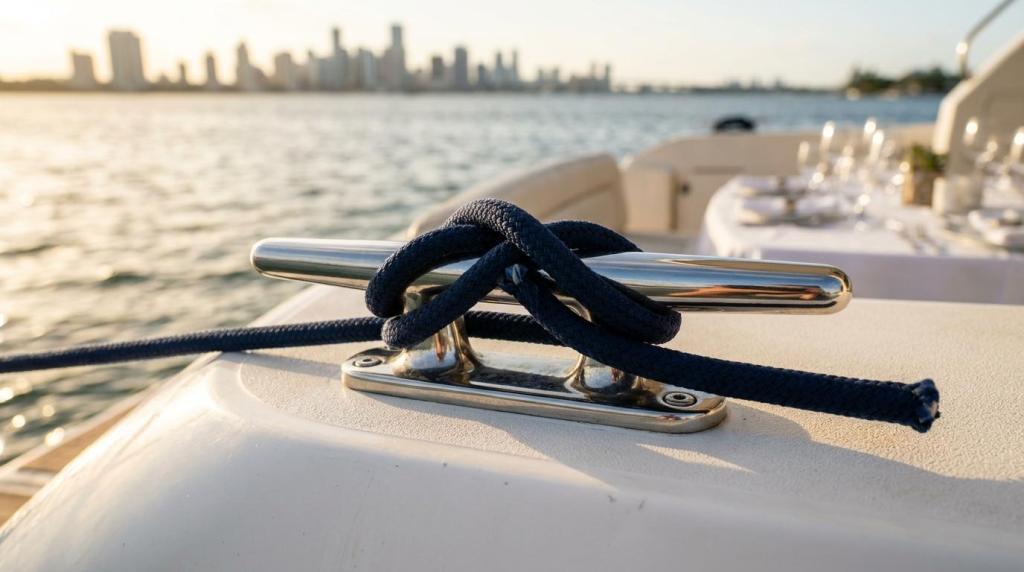
- Private yacht charter on Biscayne Bay with chef-led dining and skyline views.
- Oceanfront wellness morning in Palm Beach with spa access, movement sessions, and elevated recovery time.
- Curated art, architecture, or design access in Miami with private guides in districts tied to culture and brand prestige.
- Championship golf or tennis with pro instruction at a resort known for service and facilities.
- Private Everglades eco-adventure with expert naturalists for groups that want nature without sacrificing comfort.
- Waterfront dine-around and closing celebration in Fort Lauderdale or along Las Olas for a social finale without Miami’s intensity.
The best choice depends on why the trip exists. If recognition is the main goal, social status and choice matter. If retention is the goal, relaxation and emotional connection tend to matter more. If culture is the goal, shared challenges, hosted conversation, and place-based storytelling become more valuable.
How should you build a South Florida incentive itinerary step by step?
Start with outcomes, then route design. Palm Beach and Miami itineraries perform better when business goals shape pacing before any activity is booked.
Step 1: Define what success means in business terms. Is this trip meant to reward revenue leaders, strengthen retention, celebrate a merger, or reconnect a remote leadership group? If the answer is unclear, the itinerary usually becomes a collection of nice ideas instead of a coherent experience.
Step 2: Match each day to an energy curve. Arrival day should feel easy and welcoming. The middle day should carry the strongest signature experience. The final day should leave guests with either freedom or a strong shared close, depending on audience style. One common misconception is that every day needs equal intensity. It does not.
“Experience Epic Events cites a published Costa Rica incentive case study with a 30% increase in employee engagement in the quarter after the trip.”
Step 3: Build around friction points early. In South Florida, that often means airport choices, drive times, weather backup plans, and meal timing. A beautiful itinerary on paper can fail if guests spend too much time in transit or move between too many venues. The most admired programs often feel effortless because the complex parts were solved in advance.
How do Palm Beach and Miami compare for incentive travel?
Palm Beach is calmer and more private, while Miami is more social and high-energy. Fort Lauderdale often sits between them.
Palm Beach is usually the stronger choice for executive retreats, wellness-led programs, golf, and groups that value understated luxury. It feels more residential and refined. That makes it especially good for C-suite audiences, board-involved trips, and mixed agendas that include both recognition and meaningful conversation.
Miami is better when the brief calls for edge, visibility, nightlife, and global culinary appeal. Product launches, sales celebrations, and brand-forward incentive programs often perform well there. If your winners want a destination they would choose on their own, Miami has strong pull. If they want rest, privacy, and fewer decisions, Palm Beach tends to win.
Fort Lauderdale deserves attention when you want marina culture, waterfront relaxation, and easier movement without Miami’s tempo. It can be a smart compromise for mixed-age or mixed-preference groups.
How do you budget South Florida incentive travel without weakening the experience?
Strong South Florida budgets protect guest impact by funding the moments people feel most and trimming the rest.
Step 1: Decide where premium matters most. Usually that is accommodations, arrival experience, one standout activity, and one or two exceptional food-and-beverage moments. Buyers in the 2024 Incentive Travel Index expect incentive activity and per-person spending to rise through 2026, yet they are still concerned about rising costs. That means prioritization matters more than ever.
Step 2: Avoid spreading the budget evenly across every line item. Equal spending often produces an average program. A better method is to choose one hero experience per day and keep supporting elements polished but restrained. Pro tip: guests remember transitions, service, and atmosphere more than decorative excess in every setting.
Step 3: Lock in contract clarity early. Airfare volatility, transportation surcharges, and peak-date hotel demand can move numbers quickly in South Florida. If dates are flexible, shift early. If the group size is uncertain, negotiate pickup, attrition, and minimums with realistic thresholds instead of optimistic ones.
How do you balance scheduled experiences with free time?
Yes, free time matters. Incentive travel research identifies free time as a leading success factor in North America, so overscheduling can weaken even luxury programs.
Step 1: Protect meaningful unstructured blocks. For a premium South Florida program, that often means at least one half-day where guests can choose spa time, beach time, golf, shopping, or simply staying in the room. Free time is not empty space. It is part of the reward.
Step 2: Curate optionality instead of mandatory movement. Offer a short menu of polished choices with clear timing and concierge-style sign-up. A common mistake is giving guests either no options or too many. Three strong choices usually outperform ten loosely managed ones.
“Experience Epic Events also reports a 25% reduction in turnover and a 15% increase in overall team performance from the same published incentive case study.”
Step 3: Use light-touch hosting. Guests should know where to be and who to contact, but they should not feel watched. This matters even more with senior audiences. If people earn an incentive trip, autonomy is part of the psychology of recognition.
Should you choose South Florida or another Florida incentive destination?
Choose South Florida for coastal luxury and social range. Choose Orlando or Kissimmee when scale, convention infrastructure, or family-style add-ons matter more.
South Florida is strongest when the desired mood is sophisticated, celebratory, and adult. It offers beach access, city energy, high-end dining, design-forward venues, and a mix of private and public experiences that feel cosmopolitan. It is especially effective for leadership incentives, top-performer clubs, and programs where taste level matters.
Orlando and Kissimmee are excellent when the trip needs very large room blocks, major convention capacity, or broader entertainment ecosystems. They can also work well for groups extending travel with family. If your winners want a sense of escape from standard conference settings, South Florida usually feels more elevated. If your event needs massive infrastructure first and incentive elements second, Central Florida may be the better fit.
How do contracts, safety, and logistics affect South Florida incentive success?
Contracts and risk controls are part of the guest experience. Miami and Palm Beach programs feel polished only when logistics and contingencies are settled early.
The 2024 Incentive Travel Index found buyers are weighing safety considerations alongside cost. That is especially relevant in a destination where weather patterns, marine activities, and multi-city transfers can affect the guest journey. Risk planning is not a separate compliance layer. It directly shapes how calm, premium, and reliable the trip feels.
A common misconception is that strong operational controls reduce creativity. In reality, they protect it. When backup plans, staffing, transport timing, and vendor terms are solid, the visible guest experience becomes more relaxed and more elegant.
- Attrition and pickup: Set realistic room-block and food-and-beverage commitments based on actual qualifier behavior.
- Weather contingencies: Pre-approve indoor or alternate options for marine, beach, and outdoor dining events.
- Transportation timing: Account for airport choice, traffic windows, and guest tolerance for coach time. As Travelsearch Guru notes in its guidance on comparing airport transfer options, the mix of private cars, shared shuttles, and pre-booked coaches can shape perceived wait times and first impressions as much as distance itself.
- Activity substitutions: Identify premium replacements before contracts are finalized.
- Duty of care: Define emergency contacts, communication methods, and host escalation paths.
What should you expect from a South Florida DMC or incentive planning partner?
A capable South Florida DMC should provide strategy, local negotiation, and on-site control across Palm Beach, Fort Lauderdale, and Miami.
At a minimum, the partner should handle venue sourcing, vendor management, budgeting support, transportation and activity coordination, event design, production, and on-site execution. Those are not optional extras for a luxury incentive. They are the operating system behind the guest experience. The higher the room rate and the more senior the audience, the less room there is for improvisation.
Experience Epic Events is one example of a boutique South Florida DMC operating from Lake Worth Beach with support across Palm Beach, Miami, Fort Lauderdale, and the wider region. That local footprint matters because South Florida is not a single-market destination. Each submarket has different supplier relationships, service styles, and logistical patterns. If your program spans more than one city, local destination management becomes even more valuable.
The best planning partner should also challenge the brief when needed. If your initial idea creates too much movement, too little free time, or weak budget efficiency, a good partner should say so early and propose a better structure. That is often the difference between a trip that looks impressive in slides and one that guests remember as genuinely worth earning.
Leave a comment