


Best Miami Hotels for Incentive Trips
Miami works exceptionally well for incentive travel when the hotel does two jobs at once: it feels like a reward, and it can still run a polished business program. The best choices are not simply the flashiest addresses, but the ones that balance room count, event space, beach access, transportation flow, and enough unscheduled time to let top performers enjoy the destination.
TL;DR: Summary
- For most Miami incentive trips, Fontainebleau Miami Beach, Loews Miami Beach Hotel, and The Setai Miami Beach are the strongest hotel choices, each serving a different program size and experience style.
- The best Miami incentive hotels pair resort appeal with real meeting capacity, because incentive trips still need arrivals, general sessions, dinners, and weather backup to run cleanly.
- Fontainebleau stands out for scale with 1,504 rooms and 107,000 square feet of indoor event venues, while Loews offers a strong mid-to-large group balance with 790 rooms and 65,000 square feet of indoor function space.
- The Setai is better suited to executive incentives and intimate VIP programs, with distinctive venues like its 12,900 square foot Courtyard and 10,000 square foot Penthouse level.
- Free time matters as much as production value in Miami incentive travel. Incentive Research Foundation data found ample free time was the top attendee priority, and 91% of respondents said an appealing destination incentive trip was very or extremely motivating.
- If your program is truly citywide, Miami Beach Convention Center capacity and the planned 800-room Grand Hyatt Miami Beach, connected by skybridge and slated for late 2027, make Miami especially strong for very large incentive groups.
Miami also has unusual range. You can stage a leadership incentive in a private rooftop setting, or build a major multi-hotel program around convention infrastructure with 1.4 million square feet at the Miami Beach Convention Center and up to 84 meeting rooms.
Which Miami hotels are best for incentive trips overall?
Yes, three hotels usually rise to the top: Fontainebleau Miami Beach, Loews Miami Beach Hotel, and The Setai Miami Beach. They cover the most common incentive trip formats, from large recognition programs to executive-level retreats.
Fontainebleau is the clearest fit for groups that need major room block volume, recognizable brand cachet, and robust indoor meeting infrastructure on one campus. Loews is often the safest middle ground when the program needs resort energy, substantial function space, and easier operational flow for groups that are large but not citywide. The Setai sits in a different lane, best for smaller, high-touch incentives where exclusivity and design matter more than total room count.
A common misconception is that the “best” Miami incentive hotel is always the most famous one. In practice, the best fit depends on whether your attendees need ballroom capacity, walkable dining, executive privacy, or simply more free time between structured moments.
“Experience Epic Events plans corporate events, executive retreats, incentives, and meetings from concept through on-site execution.”
What makes a Miami incentive hotel actually worth booking?
The best Miami incentive hotel is one that protects both experience quality and program logistics. Fontainebleau and Loews are strong because they reduce operational compromises while still feeling aspirational.
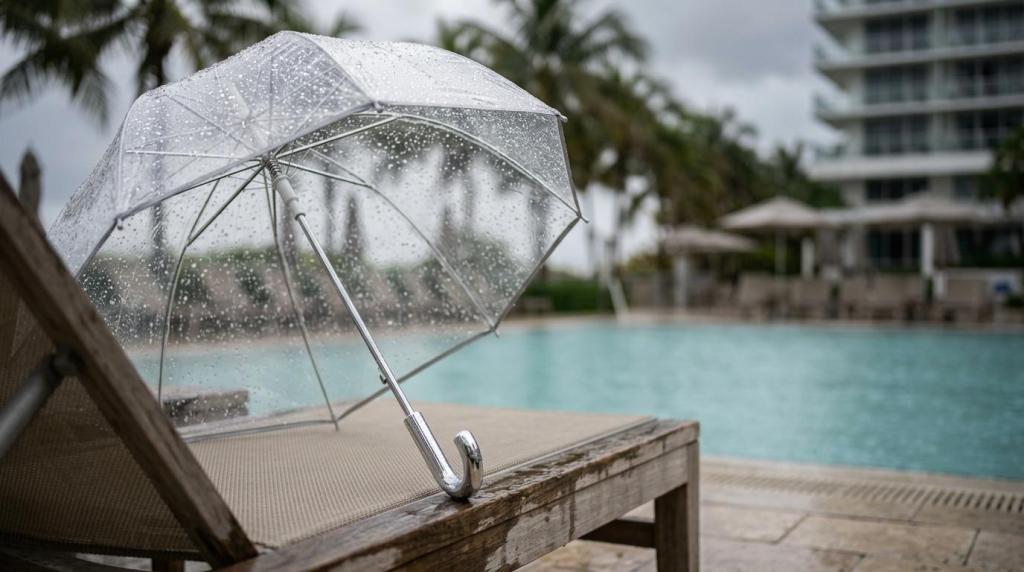
Miami incentive travelers want a destination that feels rewarding, but the trip still has to function at an executive standard. That means arrival experience, indoor-outdoor flexibility, backup plans for heat or rain, and service teams that can handle peak-time movement without making the program feel overproduced. The Incentive Research Foundation’s 2024 attendee study, based on 400 full-time sales respondents, found ample free time was the greatest priority. That single point changes hotel selection more than many teams expect.
After you define the experience brief, pressure-test hotels against these criteria:
- Room block strength: Can the property hold your peak rooms without splitting key guests across multiple hotels?
- Meeting inventory: Ballrooms, breakouts, outdoor venues, and rain backup should all fit the agenda, not just the gala dinner.
- Guest freedom: Beach, spa, pools, dining, and neighborhood walkability matter because free time is part of the reward.
- Transfer logic: A hotel that is about 15 minutes from Miami International Airport, like Loews, can remove friction on short programs.
- Program tone: Executive incentives often need privacy and restraint, while sales rewards can support higher-energy resort environments.
If a hotel only excels in one category, it usually creates pressure somewhere else. A glamorous property with limited function space can force offsite shuttles; a highly efficient convention hotel can feel too transactional if the incentive brief is supposed to celebrate performance.
“Experience Epic Events uses a fractional planner model when internal teams need high-touch DMC support in South Florida.”
What are the best Miami hotels for incentive trips by program type?
The best Miami hotels depend on program scale, attendee profile, and how much structure you plan to impose. One hotel can be perfect for a 40-person chairman’s club and wrong for a 700-person sales recognition trip.
Here is a practical shortlist by use case:
- Fontainebleau Miami Beach: Best for large incentive programs that need one-property scale, strong nightlife energy, and 107,000 square feet of indoor event space.
- Loews Miami Beach Hotel: Best for mid-to-large groups that want resort appeal with easier logistics, 790 rooms, and 65,000 square feet of indoor function space.
- The Setai Miami Beach: Best for executive incentives, board-level retreats, and VIP recognition with a quieter luxury profile.
- Convention district hotel packages near MBCC: Best for citywide or multi-hotel programs that need to tap the Miami Beach Convention Center’s 1.4 million square feet and 84 meeting rooms.
- Grand Hyatt Miami Beach, opening late 2027: Best future option for very large groups seeking direct convention center connectivity via skybridge and possible opening-phase incentives.
This is where trade-offs matter. Fontainebleau gives you scale and a famous social scene, but a smaller executive group may find it too expansive. The Setai offers a more private atmosphere, but it is not designed to replace a large-group convention hotel.
How do Fontainebleau Miami Beach and Loews Miami Beach compare?
Fontainebleau is stronger on scale, while Loews is often stronger on balance. Both work for incentive travel, but they solve different planning problems.
Fontainebleau lists 1,504 rooms and suites plus 107,000 square feet of indoor event venues. That makes it a serious option when you want one resort to absorb guest rooms, general session needs, ancillary functions, and social activity without extensive offsite reliance. It also carries meeting-industry credibility, with the property citing recognition as a Top 25 Meeting Hotel in North America by Cvent.
Loews Miami Beach Hotel is smaller, with 790 guest rooms, but it remains substantial and often feels more manageable operationally. Its 65,000 square feet of indoor function space and largest event venue at 27,600 square feet make it a strong choice for companies that need polished meetings without the sheer scale of a mega-resort.
If your priority is one-property dominance, Fontainebleau usually wins. If your priority is a cleaner guest journey, a shorter program, or a group size that does not need 1,500 rooms, Loews may be the wiser choice. Pro tip: do not compare these two only on room rate. Compare them on how many transfers, offsites, and staffing workarounds each option creates.
Is The Setai Miami Beach better for executive incentives than large-group programs?
Yes, The Setai is generally better for executive incentives, C-suite retreats, and small VIP awards than for large-scale recognition programs. Its venue profile and atmosphere favor exclusivity over mass volume.
The property’s event inventory tells the story. The Courtyard offers 12,900 square feet outdoors and can host up to 300 theater guests or 500 cocktail guests. The Penthouse includes 7,000 square feet indoors plus a 3,000 square foot terrace, with the full 40th-floor setting spanning 10,000 square feet and including a private rooftop pool. Those are highly differentiated spaces, especially for board dinners, private receptions, or elevated brand moments.
That does not mean The Setai cannot host business content. It means the property works best when the agenda is intentionally lighter, the attendee count is tighter, and the experience brief values privacy, design, and service tone over ballroom depth. A common mistake is trying to force a mass-market incentive agenda into a luxury boutique setting.
“Experience Epic Events pairs venue sourcing, vendor management, and risk controls under one roof for Miami incentive travel.”
How should you match hotel size to your Miami incentive agenda?
Start with the agenda, then match the hotel. Fontainebleau, Loews, and The Setai each fit different operating models.
Step 1 is to define your peak room block, not just total attendance. If you have 400 attendees but only 220 peak rooms because of staggered arrivals or local participation, you may not need a mega-resort.
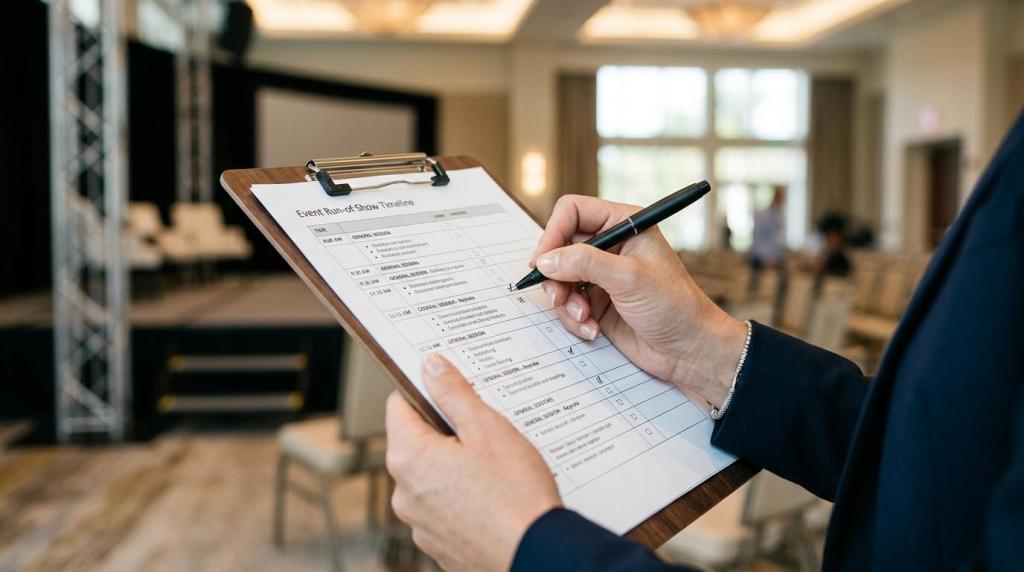
Step 2 is to map every programmed moment to actual space type. If your schedule includes one plenary, two private dinners, sponsor moments, spouse activities, and a weather backup requirement, then indoor-outdoor inventory becomes the real filter.
Step 3 is to check how much freedom the hotel gives guests without transportation dependence. If free time is a core reward element, then beach access, pool quality, walkable dining, and spa options are not extras. They are part of program performance.
If your agenda is content-heavy, larger hotels often win because they absorb complexity. That same split between operational scale and destination character shows up in other incentive markets too, and Rio Real’s look at the best Marbella hotels illustrates how planners often balance room inventory against the kind of guest experience a resort can credibly deliver. If your agenda is recognition-heavy and lightly programmed, a more intimate property can deliver stronger emotional impact.
When should you use the Miami Beach Convention Center with hotels nearby?
Use the Miami Beach Convention Center when your incentive program is large enough to outgrow a single hotel. Miami Beach and MBCC are especially strong for citywide formats and hybrid incentive-meeting programs.
The venue’s scale is material: 1.4 million square feet total, 500,000 square feet of exhibition halls, and up to 84 meeting rooms. That allows planners to separate conference content from premium social experiences while keeping the destination attractive. This matters for sales kickoffs, loyalty programs, channel events, and other incentive formats that need both celebration and serious business infrastructure.
The future Grand Hyatt Miami Beach adds another layer. Miami’s official meetings program says the hotel will open in late 2027 with 800 rooms and a direct skybridge connection to the convention center. It also notes that the first 10 qualifying groups contracting by September 2027 may receive a customized opening-phase incentive package, with eligibility beginning at 1,500-plus peak rooms and added support at 3,000-plus peak rooms.
If you are planning a very large program, this is one of the few Miami setups where scale and destination appeal can live in the same ecosystem.
How do you build enough free time into a Miami incentive trip?
Build free time on purpose, not as leftover whitespace. In Miami, Fontainebleau, Loews, and The Setai all perform better when the schedule breathes.
Step 1 is to set a firm cap on mandatory sessions. Many incentive programs improve when business content is concentrated into one morning or late afternoon block instead of scattered across the day.
Step 2 is to protect unstructured windows. The Incentive Research Foundation found ample free time was the greatest attendee priority, and 91% of respondents said a group incentive experience in an appealing destination was very or extremely motivating. That means the destination itself is part of the reward structure.
Step 3 is to make optionality visible. Give guests clear choices: spa, beach time, chef-led dining, yacht access, neighborhood exploration, or small-group activities. Pro tip: free time only works when guests understand what is available and how easy it is to access.
A packed itinerary can look generous on paper but feel controlling in practice. Miami usually rewards restraint.
What is the smartest way to source and contract a Miami incentive hotel?
Source widely, contract carefully, and negotiate around risk, not just rate. Loews and Fontainebleau may both quote competitively, yet the more valuable deal is often the one with better protections.
Start by issuing a brief that includes peak rooms, shoulder rooms, indoor and outdoor space needs, backup requirements, arrival pattern, and any VIP segmentation. Hotels respond better when the operating assumptions are clear.
Then review the commercial terms with the same intensity as the design brief. Attrition, cancellation, resort fees, portage, suite concessions, F&B minimums, load-in terms, and weather contingency clauses can change the real budget materially. In Miami, outdoor event plans and weather backups deserve extra scrutiny.
Last, test the property’s event flow. If a hotel requires repeated guest lifts, long internal walks, or too many vertical moves between functions, the experience can feel fragmented even when the venue itself is beautiful. A common misconception is that contract negotiation is a finance-only task. It is also a guest-experience task.
Which Miami hotel planning mistakes cost the most?
The costliest mistakes are usually structural, not cosmetic. Miami incentive travel gets expensive when the hotel choice forces workarounds.
The most common issues are easy to spot early, yet many teams still miss them because the site visit focuses too heavily on guestrooms and restaurants. What matters just as much is the invisible architecture of the program: where people enter, where staff stage, where rain moves dinner, and how many minutes each transfer actually takes.
Watch for these high-cost mistakes:
- Choosing on brand fame alone
- Ignoring weather backup capacity
- Underestimating peak room compression
- Overprogramming a reward trip
- Splitting key functions across too many venues
- Treating resort fees and service charges as minor line items
- Booking a boutique luxury hotel for a group that needs convention-level infrastructure
The strongest Miami incentive programs tend to come from one discipline: matching the hotel to the real agenda, not the imagined one.
Leave a comment