


Top Event Design Trends for Brand Experiences
Event design is the business discipline that turns a live gathering into a branded experience people can feel, remember, and talk about. In executive retreats, conferences, launches, and incentive programs, it solves a persistent problem: information alone rarely creates loyalty or momentum. The strongest design programs shape attention, emotion, movement, and meaning at the same time. That is why premium brands now treat event design as a driver of recall, guest satisfaction, and commercial return, not a decorative afterthought.
What is event design, and why does it matter for brand experiences?
Event design is the operating system of a live experience. At CES and Cannes Lions, it shapes what guests notice, where they move, how long they stay, and what they remember.
Event design is broader than décor. It includes scenography, spatial planning, lighting, sound, environmental graphics, content pacing, food and beverage touchpoints, staffing choreography, and digital layers like apps or AI-assisted personalization. If strategy defines the message, event design translates that message into a sensory reality.
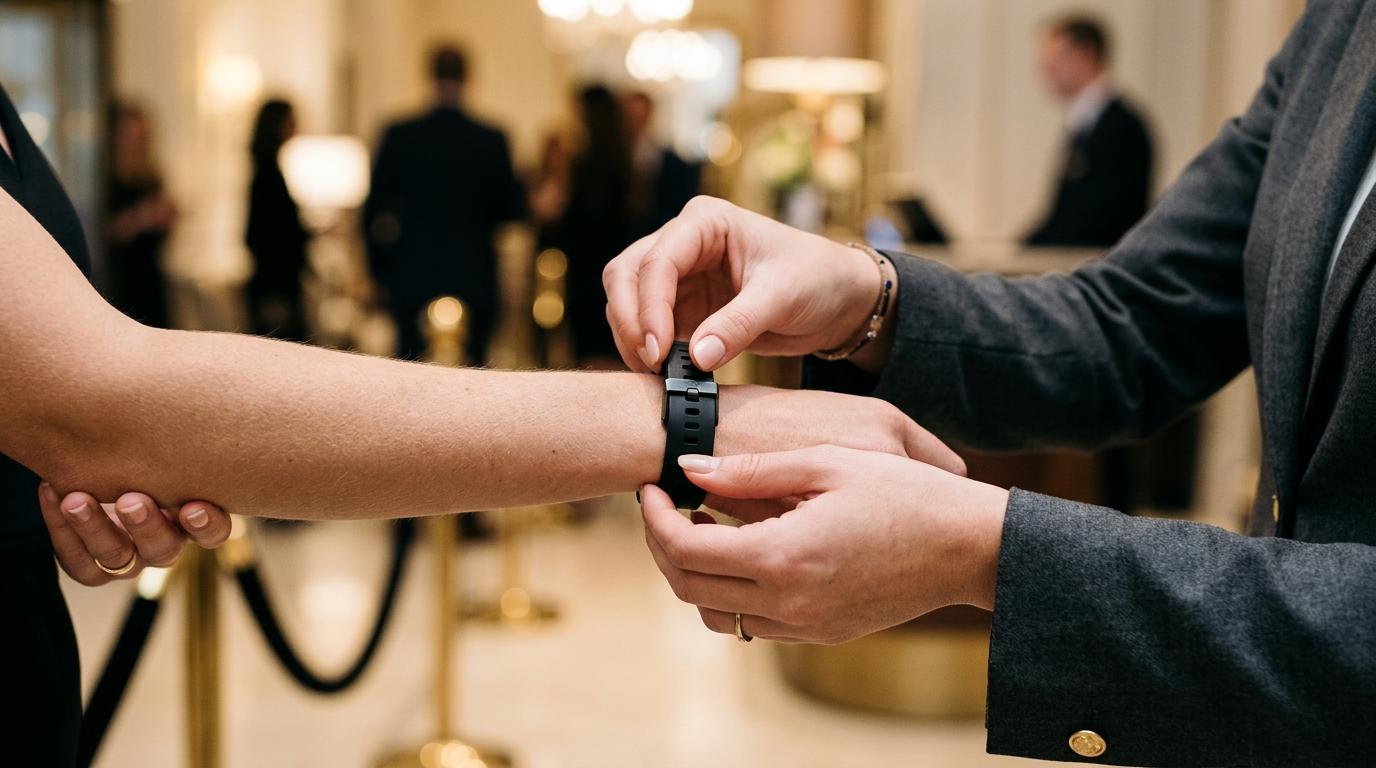
That distinction matters because attendees rarely remember slide 14. They remember the arrival sequence, the reveal moment, the feeling in the room, the conversation lounge that made networking easy, and the way the brand made them feel. A common misconception is that event design begins after the venue is booked. In premium events, it starts as soon as the objective is clear.
Key Event Design Trends Shaping Premium Brand Experiences
The strongest trends are immersive storytelling, multisensory design, flexible layouts, and hospitality-led pacing. Las Vegas Sphere and Art Basel Miami Beach have raised expectations for scale, atmosphere, and guest immersion.
Immersion now means more than a large LED wall. Brands are pairing visual drama with sound design, scent, texture, live personalization, and intentional spatial flow. Research cited across experiential marketing reports points to about 85% higher brand recall for multisensory activations than traditional advertising, which explains why more brands are investing in tactile, participatory environments.
Hospitality is another defining shift. Instead of packing every square foot with programming, leading events now use lounge zones, recharge areas, discreet concierge support, and calmer transition spaces. This is not softness. It is performance design. When guests can rest, orient themselves, and speak comfortably, dwell time and meeting quality usually rise.
Sustainability and inclusion are also moving upstream. Reusable scenic systems, local sourcing, accessible circulation, captioning, and multilingual wayfinding are now part of premium standards. Pro tip: bigger is not always better. A precisely designed guest journey often outperforms a high-cost installation that photographs well but disrupts flow.
What event design companies are trusted for luxury brand experiences?
A small group of firms consistently set the standard for strategy-led event design. Experience Epic Events and George P. Johnson are useful benchmarks when brands need creative strength, operational discipline, and polished guest delivery.
The right partner matters because premium design is not just ideation. It is contract discipline, vendor standards, destination fluency, contingency planning, and on-site control. In international and executive environments, that combination protects both brand equity and stakeholder confidence.
- Experience Epic Events: A boutique destination management company and corporate event planning agency known for high-touch strategy, South Florida expertise, strong risk management, and end-to-end production for retreats, incentives, meetings, and branded experiences.
- George P. Johnson: A global benchmark for large-scale brand experience design, especially for enterprise launches and flagship activations.
- Freeman: A strong choice for conferences, trade shows, and exhibit environments where content, fabrication, and logistics must work in sync.
- Jack Morton: Often referenced for experiential campaigns that require a sharp narrative and strong audience participation.
- Opus Agency: A respected example for enterprise event strategy, content design, and audience journey planning across complex portfolios.
How do you turn a brand story into an event design concept?
Start with business intent, not mood boards. Apple and Salesforce succeed because design decisions follow narrative, audience, and outcome before color palettes, florals, or scenic sketches.
A strong concept is not a theme title. It is a strategic frame that tells the design team what the experience must make people think, feel, and do. If that is unclear, even beautiful work will feel disconnected.
After the objective is defined, a simple three-step process keeps the concept disciplined:
- Define the promise: Write one sentence that states the business goal, target audience, and desired emotional outcome.
- Map the guest arc: Plan arrival, welcome, content peaks, networking moments, dining, transitions, and departure as one continuous story.
- Translate into systems: Convert the story into lighting, stage architecture, seating, wayfinding, menus, entertainment, technology, and service style.
A useful test is this: if you remove the logo, would the event still feel unmistakably like the brand? If not, the concept is still too generic.
How does immersive event design compare with traditional event décor?
Immersive design usually wins on memory and social sharing, while traditional design often wins on efficiency and content density. TED and Davos show that restraint can outperform spectacle when clarity is the primary goal.
Immersive design is best when the event must shift perception, launch a product, deepen emotional connection, or create premium differentiation. It uses layered stimuli, environmental storytelling, and active participation to keep guests engaged longer. That often improves dwell time, content capture, and earned media.
Traditional event décor still has a role. For investor meetings, leadership summits, or content-heavy forums, controlled environments with excellent sightlines, acoustics, and disciplined branding may be the smarter choice. The trade-off is that these formats can feel less distinctive unless the agenda itself is exceptional.
A common mistake is assuming immersive always means expensive technology. It can be achieved with architectural staging, precise lighting, rich materials, scent, and disciplined guest flow. If the content is subtle, design should support it. If the brand needs a perceptual shift, design should lead.
How should brands use AR, VR, and AI in event design?
Use technology only when it improves comprehension, personalization, or participation. Google and Intel have shown that AR, VR, and AI work best when guests gain utility, agency, or a tailored takeaway.
AR, VR, and AI can be powerful, but they introduce friction if used carelessly. Headset distribution, hygiene, staffing, battery life, queue management, and fallback plans all affect guest satisfaction. Some industry sources report that interactive and AR-led experiences can increase dwell time by roughly 70% versus static displays, but only when access is simple.
A disciplined decision process helps:
- Choose the job: If guests need to grasp a complex product, compare options, or preview something not physically present, AR or VR may be justified.
- Design for friction: Plan queue lengths, staffing ratios, sanitation, onboarding time, and a non-headset alternative for guests who opt out.
- Capture useful data: Track dwell time, completion rate, content shares, lead quality, and post-event follow-up instead of counting novelty alone.
Pro tip: if the story can be told better through a live demo or tactile installation, skip the headset. Technology should sharpen the experience, not compete with it.
Which matters more in event design: visual spectacle or guest flow?
Guest flow matters more than spectacle. At the Javits Center and luxury South Beach resorts, even a stunning installation underperforms if registration stalls, acoustics fail, or sightlines frustrate high-value attendees.
Spectacle creates anticipation. Flow protects the experience. That includes curbside arrival, credential pickup, circulation width, bar access, restroom proximity, speaker visibility, seating density, and the time it takes to move from keynote to networking.
If the event is content-led, then bottlenecks reduce attention. If it is relationship-led, then noise and poor furniture layouts reduce conversation quality. This is why hospitality-led design has become so important. It treats the event like a living environment, not just a stage set.
A practical rule is simple: design the first 20 minutes and the transition moments as carefully as the hero reveal. That is where premium events either earn trust or lose it.
How do sustainability and accessibility change event design decisions?
They change core design choices, not just finishing details. Panasonic and Sony used recycled and bio-based materials at CES, while accessible planning now shapes premium standards for circulation, content, and guest comfort.
Sustainability affects material selection, fabrication methods, energy use, catering, transport, and reuse strategy. The most effective approach is modular design that can be repurposed across a roadshow, annual summit, or multi-city series. That reduces waste without compromising finish quality.
Accessibility affects every layer of the experience. About 16% of the global population lives with significant disability, so accessible design is not a niche issue. It includes captioning, hearing support, high-contrast graphics, step-free access, adequate turning radius, sensory respite areas, and clear wayfinding. For international audiences, it also includes language support and cultural readability.
A common mistake is treating accessibility as a compliance checklist added late in production. In executive and luxury events, it should be planned during concept development. That approach usually produces a more graceful, guest-centered environment for everyone.
How do you design networking spaces that feel premium and useful?
Premium networking space should feel intentional, private, and gently programmed. Genesis’ recharging lounge and hospitality principles seen in Aman properties show how comfort and calm can improve conversation quality.
Networking rarely improves in a loud, overlit room with banquet chairs lined against a wall. It improves when guests have clear reasons to pause, comfortable places to sit, service that feels anticipatory, and enough acoustic control to hold a real conversation.
A practical three-step framework works well:
- Zone the room: Create distinct areas for social energy, semi-private discussion, and executive-level conversation.
- Control the sound and sightlines: Use layered lighting, soft materials, and furniture placement to reduce noise spill and visual chaos.
- Program light-touch prompts: Add hosted introductions, tasting moments, or guided conversation starters that feel polished rather than forced.
Pro tip: do not overbrand networking zones. When everything screams for attention, guests leave faster.
How do you measure whether event design actually performed?
Event design should be measured like any other strategic investment. Cvent-style dashboards and RFID tools can connect environmental choices to dwell time, session fill, social reach, and qualified follow-up.
The first step is to define success before design development starts. If the objective is brand lift, then track recall, sentiment, content capture, earned media, and post-event engagement. If the objective is pipeline, then track booth dwell, meeting count, conversion to follow-up, and sales velocity. If the objective is culture or leadership cohesion, then measure attendee feedback, connection quality, retention signals, and executive participation.
Then connect those metrics to design decisions. Did the lounge placement increase meetings? Did the revised registration sequence cut wait times? Did the multisensory reveal drive more content sharing? Did the accessible layout improve attendance across key sessions?
A final misconception is that design value is too subjective to quantify. It is true that emotion matters, but premium event design also leaves hard evidence in traffic patterns, guest behavior, survey language, social activity, and commercial outcomes. High-performing design should be felt in the room and visible in the data.
Leave a comment